

Last Updated 08/12/2026
Illinois Stormwater Laws & Regulations
The State of Illinois operates under the National Pollutant Discharge Elimination System (NPDES) program under the partial authorization of the U.S. Environmental Protection Agency (EPA). The Bureau of Water within the Illinois Environmental Protection Agency manages the permitting and compliance of stormwater discharge.
Operation and Maintenance Plan
The O&M Plan shall clearly establish the operation and maintenance necessary to ensure the proper functioning of all temporary and permanent stormwater management facilities and erosion and sedimentation control facilities. The O&M Plan shall be submitted with the stormwater management permit application to the (enforcement officer).
1. O&M Plans shall be kept on file by the municipality for all stormwater management systems.
2. The following shall be addressed in the O&M Plan:
A. Description of maintenance requirements, including, but not limited to, the following:
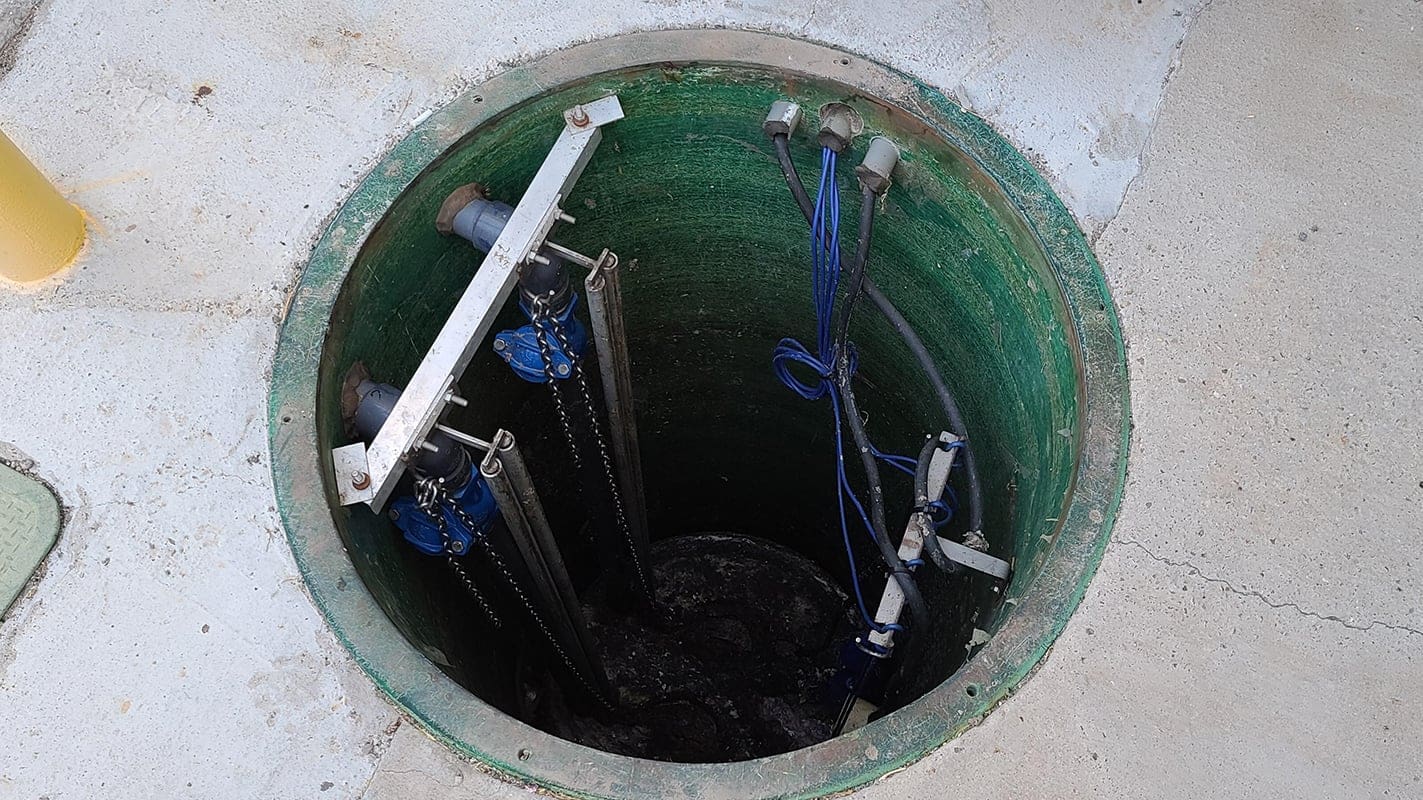
(1) Regular inspection of the SWM facilities. To assure proper implementation of BMPs, maintenance and care SWM BMPs should be inspected by a qualified person, which may include the landowner, or the owner’s designee (including the municipality for dedicated and owned facilities), according to the following minimum frequencies:
(a) The first year of operation.
(b) Once every 3 years thereafter.
(c) During or immediately after the cessation of a 10-year or greater storm.
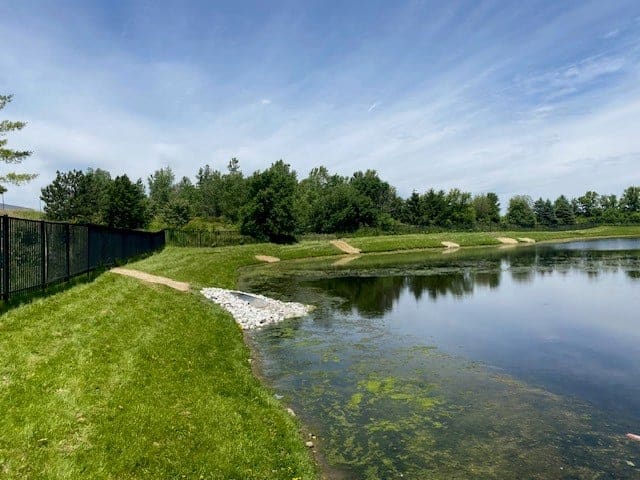
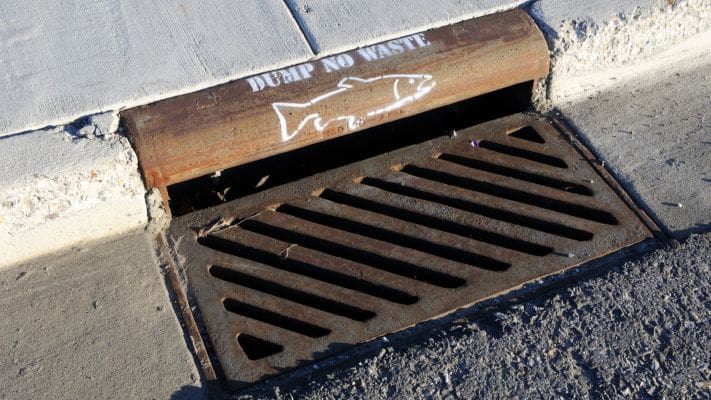
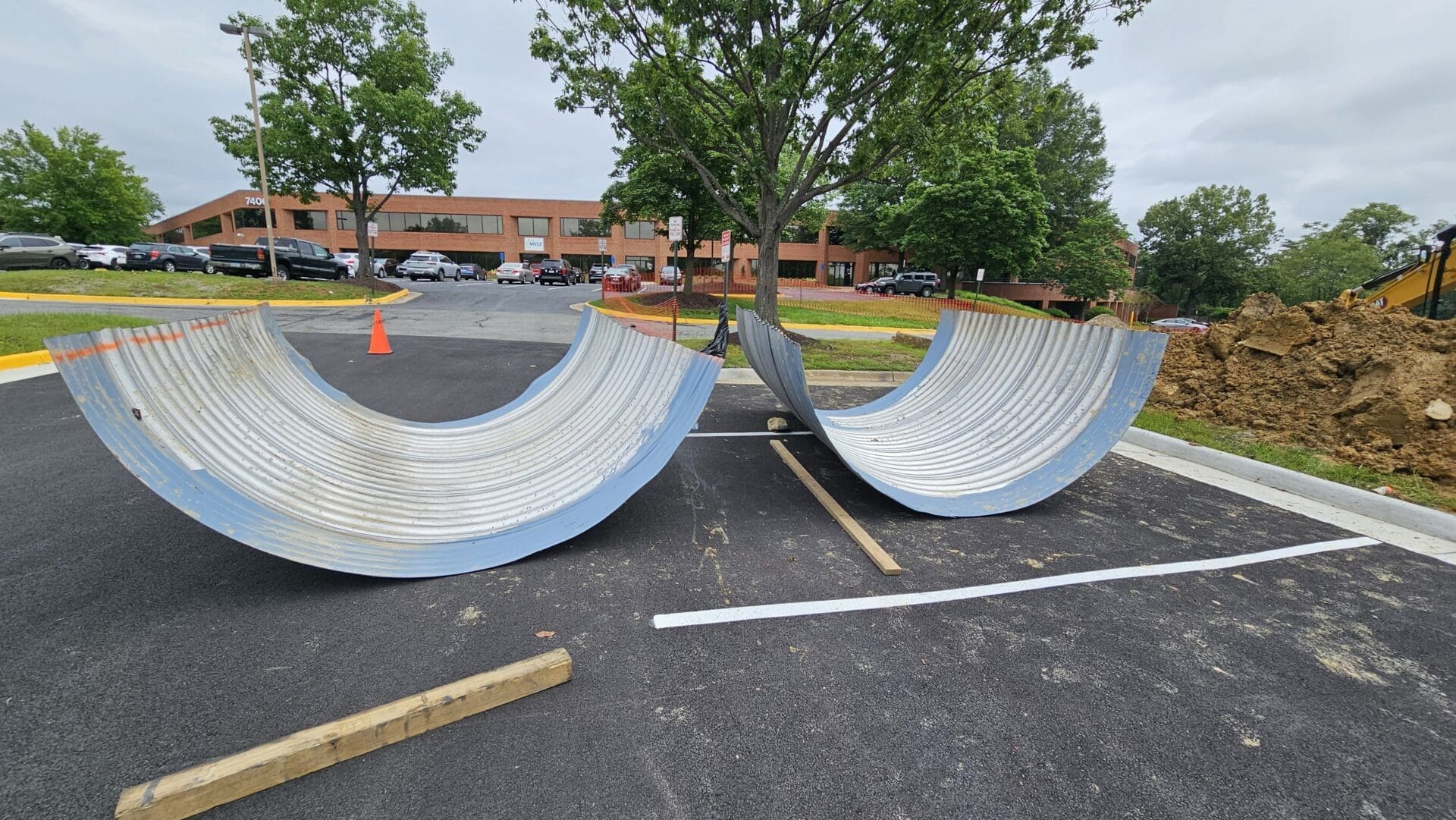
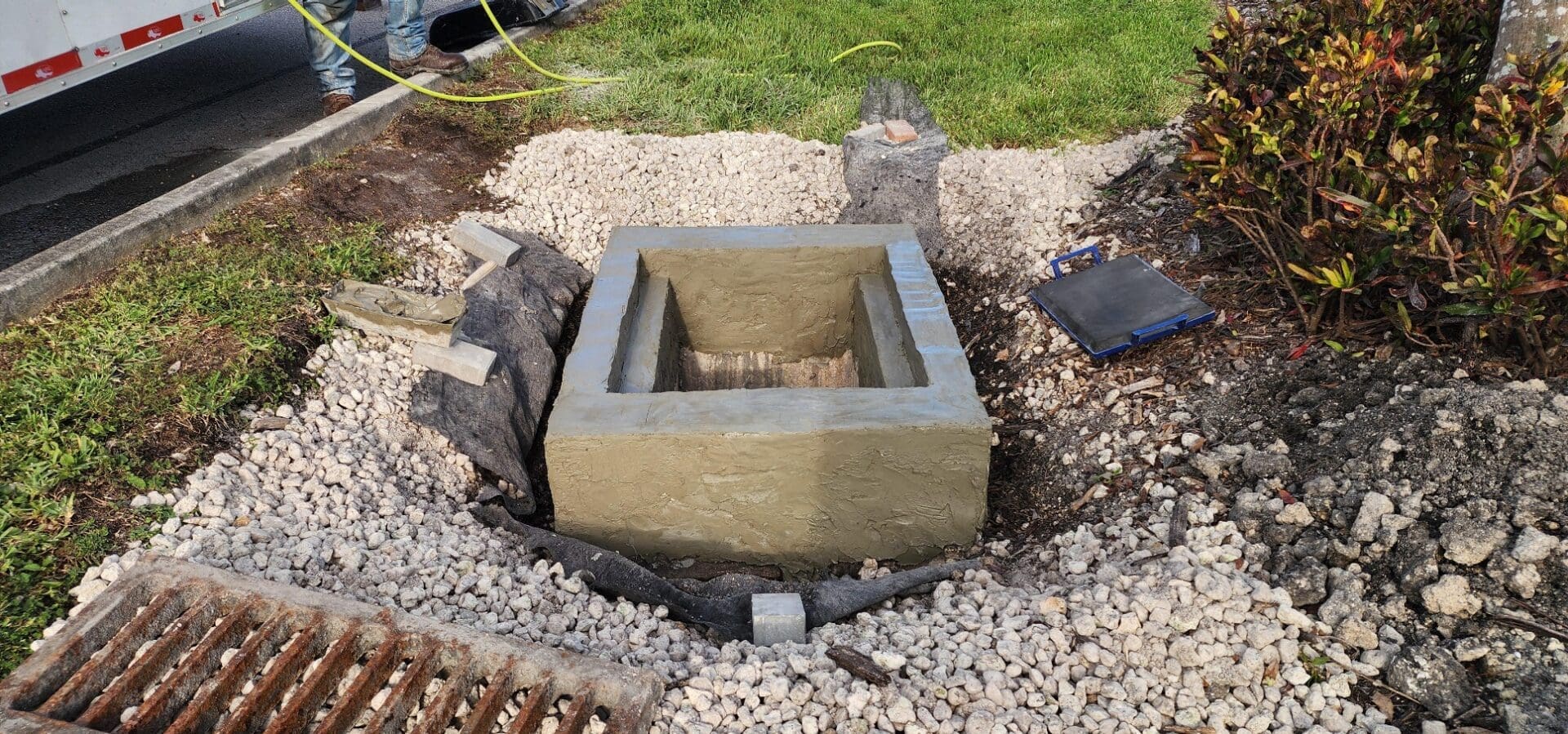
(2) All pipes, swales, and detention facilities shall be kept free of any debris or other obstruction and in original design condition.
(3) Removal of silt from all permanent structures which trap silt or sediment in order to keep the material from building up in grass waterways, pipes, detention or retention basins, infiltration structures, or BMPs, and thus reducing their capacity to convey or store water.
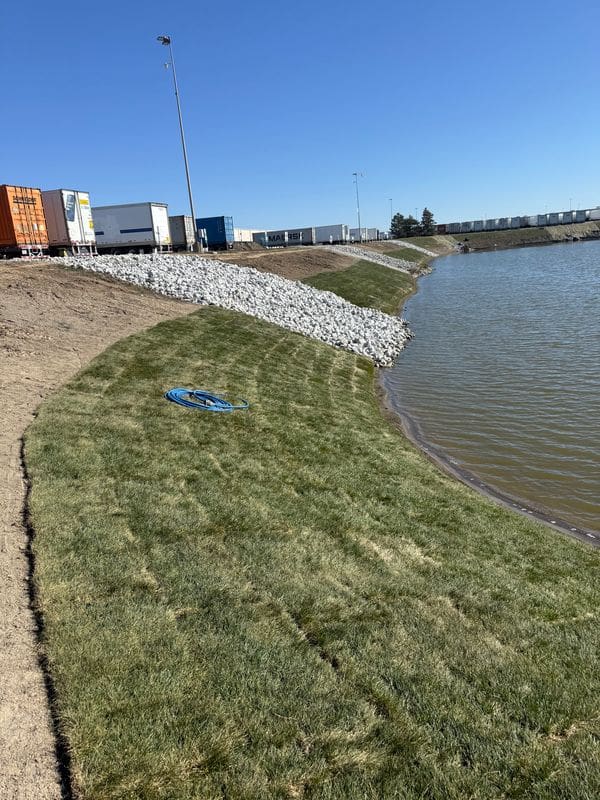
(4) Re-establishment of vegetation of scoured areas or areas where vegetation has not been successfully established. Selection of seed mixtures shall be subject to approval by the municipality.
3. After notification is provided to the owner of any deficiencies discovered from an inspection of a stormwater management system, the owner shall have 30 days to correct the deficiencies. Municipality shall then conduct a subsequent inspection to ensure completion of the repairs.
4. If, after an inspection by the municipality, the condition of a stormwater management facility presents an immediate danger to the public health or safety because of an unsafe condition or improper maintenance, the municipality shall take such action as may be necessary to protect the public and make the facility safe. Any cost incurred by the municipality shall be assessed against the owner(s)
View State Page
Frequently Asked Questions
How often does Illinois's model stormwater ordinance require BMP inspections?
The model ordinance sets a minimum schedule: once during the first year of operation, then once every three years after that, and additionally during or immediately after any storm producing a 10-year event or greater. A qualified person, which can include the landowner or a designee, conducts the inspection. Since this is a model ordinance many Illinois municipalities adopt locally, the specific frequency in effect can vary depending on how a given city or county incorporated it, so it’s worth confirming the exact schedule with the local jurisdiction.
What does an Operation and Maintenance Plan need to cover under Illinois's model ordinance?
An O&M Plan has to clearly establish what’s needed to keep both temporary and permanent stormwater and erosion control facilities functioning properly, and it gets submitted alongside the stormwater management permit application. Beyond the inspection schedule, it needs to address keeping pipes, swales and detention facilities free of debris and in their original design condition, removing silt from structures before it builds up and reduces capacity, and re-establishing vegetation in any scoured or bare areas using seed mixtures the municipality approves.
What happens if an Illinois stormwater inspection finds a deficiency?
The owner gets 30 days from notification to correct whatever the inspection turned up, and the municipality follows up with a second inspection to confirm the repairs were actually completed. If a facility’s condition poses an immediate danger to public health or safety due to an unsafe condition or lack of maintenance, though, the municipality can skip that 30-day window and take action right away to protect the public, then bill the resulting cost back to the property owner.
The information on this page is provided for general informational purposes only and is not legal advice. Regulations change frequently — AQUALIS makes no warranty as to the accuracy or completeness of this content, and any reliance on it is at your own risk. Consult a qualified professional or your local regulatory authority to confirm requirements applicable to your specific property.