

Last Updated 08/25/2026
Excerpt- Stormwater Regulations
38.9 PRIVATE STORMWATER CONVEYANCE SYSTEMS
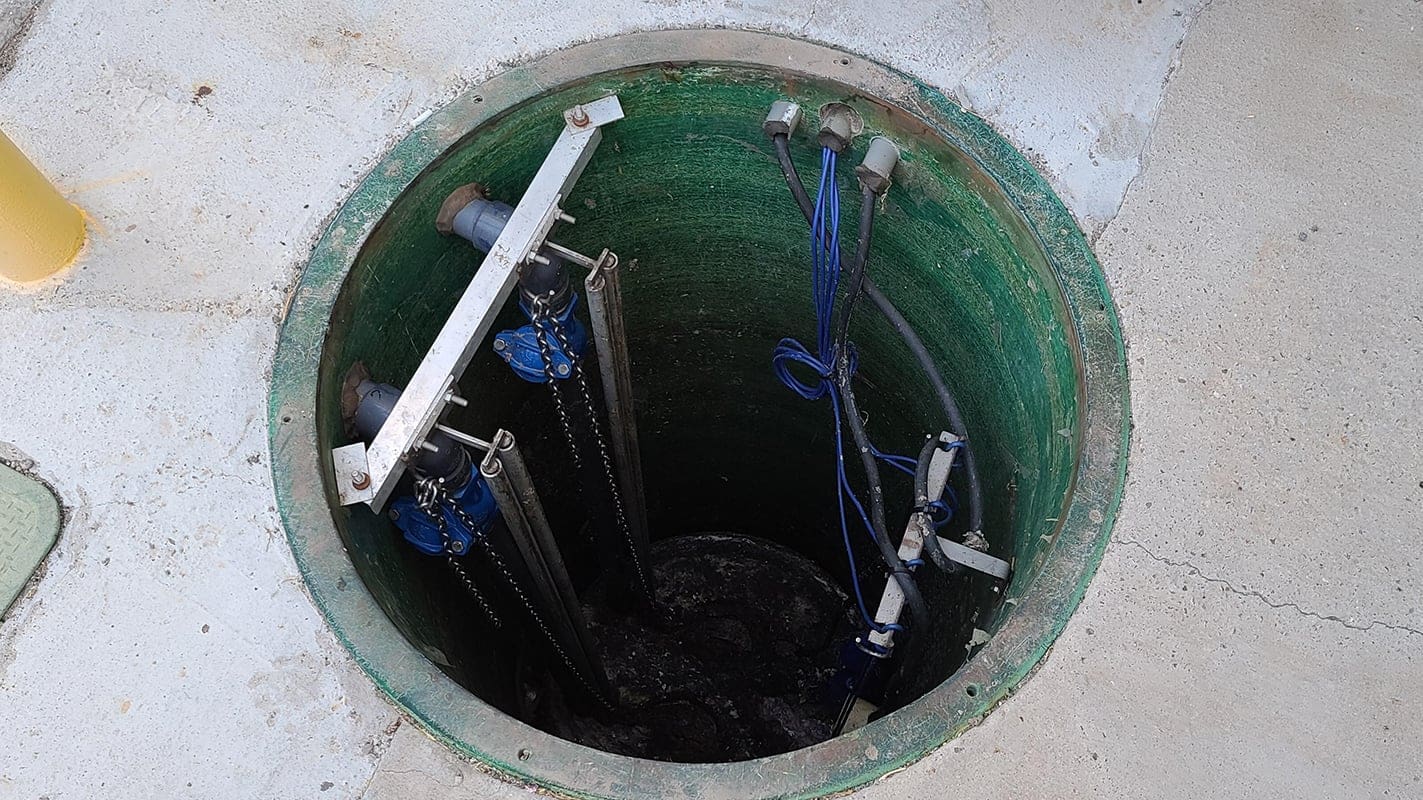
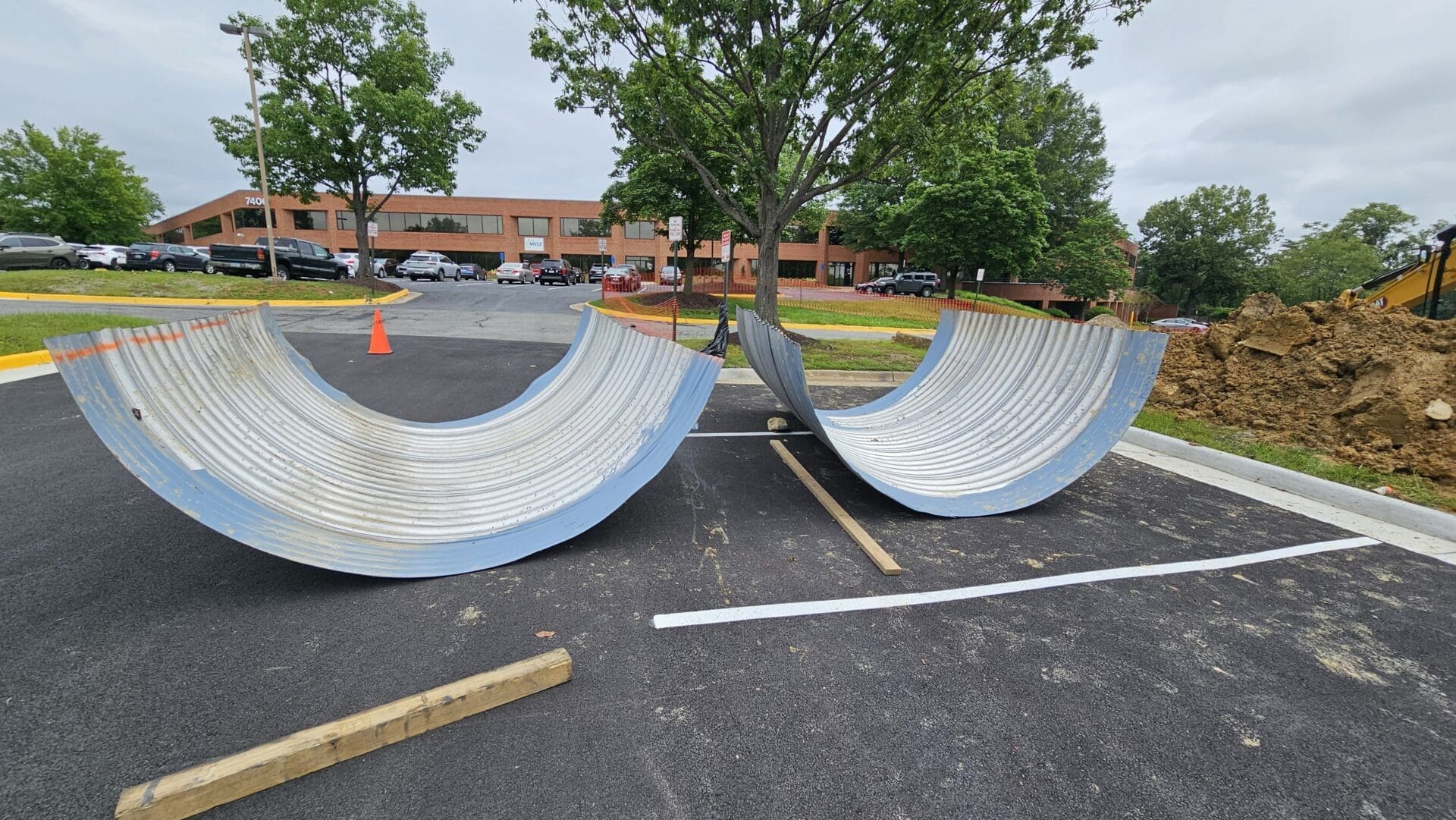
The owner of a property where a private Stormwater conveyance system is located shall be responsible for the maintenance and repair, and proper operation of the private Stormwater conveyance system, regardless of whether the private Stormwater conveyance system is completely located on the private property or partially within the public right-of -way. The County shall have no responsibility or obligation for the maintenance, repair, or proper operation of a private Stormwater conveyance system. If the Director determines that a private Stormwater conveyance system is not operating properly and causes improper discharge of Stormwater to the street, sidewalk, or storm sewer system, the Director may declare this condition to constitute a public nuisance and proceed to abate that nuisance in accordance with Regulatory Actions specified in this regulation in concurrence with the Sarpy County Nuisance Regulations.
38.13 PROHIBITED DISCHARGES FROM INDUSTRIAL/COMMERCIAL ACTIVITIES
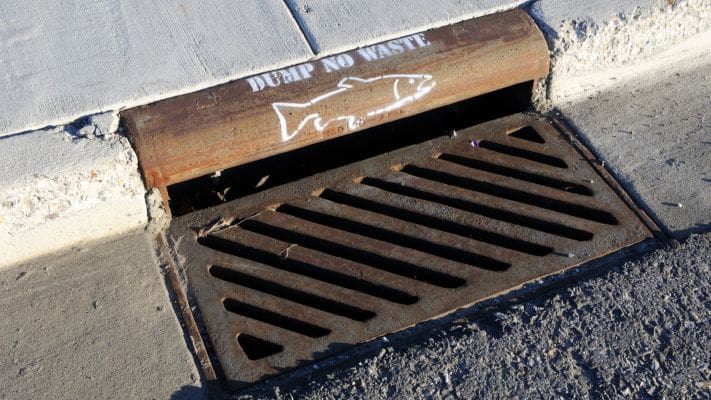
The following list of discharges from industrial/commercial activities shall be considered prohibited unless permitted under a separate NPDES permit or approved by the Sarpy County Planning Department. This list is based on Section 38.5 (Illicit Discharges Prohibited), but is not an exhaustive list of prohibited discharges to the storm sewer system:
- Water from the cleaning of gasoline station, vehicle service garages, or other types of vehicle service facilities.
- Water, cleansers, or solvents from the cleaning of vehicles, machinery or equipment, and other such commercial and industrial operations.
- Water from the washing or rising of vehicles containing soap, detergents, solvents, or other cleaners.
- Water from the cleaning or rinsing of vehicle engine, undercarriage, or auto parts cleaning.
- Vehicle fluids.
- Mat wash water from food service facilities.
- Food and kitchen cleaning water from food service facilities.
- Leakage from dumpsters or trash containers.
- Water from the cleaning or rinsing of garbage dumpster areas and areas where garbage is stored or contained.
- Water from pressure washing, steam cleaning, and hand scrubbing of sidewalks, gutters, plazas, alleyways, outdoor eating areas, steps, building exteriors, walls, driveways, and other outdoor surfaces.
- Wastewater or cleaning fluids from carpet cleaning.
- Swimming pool and spa water.
- Wash out from concrete trucks.
- Runoff from areas where hazardous substances, including diesel fuel, gasoline and motor oil are stored.
- Super-chlorinated, i.e., greater than 4mg/l chlorine, water normally associated with the disinfection of potable water systems.
38.14 NOTIFICATION OF PROHIBITED DISCHARGES REQUIRED
In the event of discovery of a discharge to the storm sewer system that is prohibited by this code, the discharger or permittee shall immediately notify the Director of the incident by telephone, facsimile or e-mail. The notification shall include the discharge location, type of materials discharged, estimated concentration and volume of discharge, and corrective actions taken to contain or minimize the effects of the discharge. In addition, a written report, facsimile or e-mail, addressed to the Director detailing the date, time and cause of the discharge, the quantity and characteristics of the discharge, corrective actions taken to contain or minimize the effects of the discharge, and corrective actions taken to prevent future discharges shall be filed by the responsible person within five days of the occurrence of the non-complying discharge.
38.21 POST-CONSTRUCTION STORMWATER MANAGEMENT PLAN (PCSWMP)
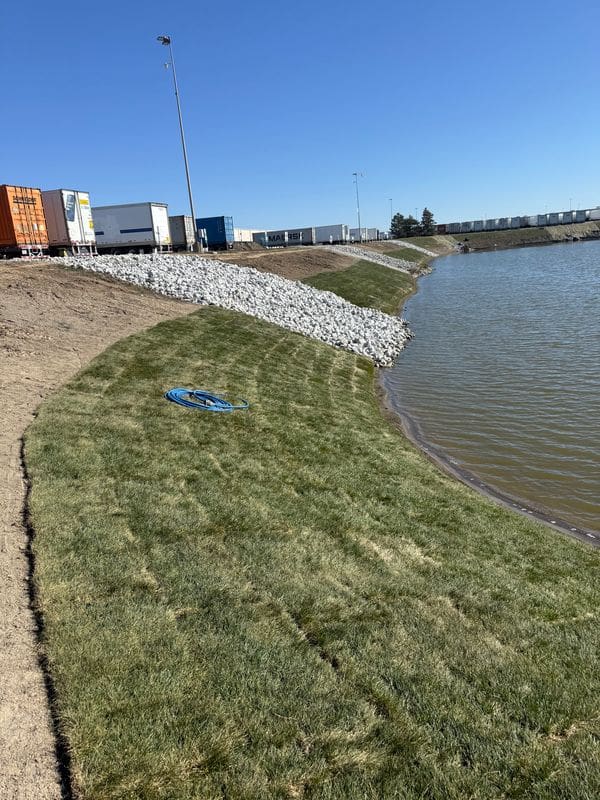
The Post-Construction Stormwater Management Plan shall be submitted to the Director, as part of any preliminary plat application, or grading permit application, or building permit application that created 5,000 square feet of more of impervious coverage, on a form or format specified by the Director, at the same time the application for a Sarpy County Grading Permit is submitted. For any significant redevelopment, a post construction Stormwater management plat shall be submitted with the building permit application. For all development applications made after the adoption date of this ordinance, the post-construction Stormwater management plan, at a minimum, shall include Low Impact Development (LID) BMP’s to provide for a water quality control of the first one-half inch of runoff from the site. The County may also require this minimum control level for significant redevelopment that increases the amount of impervious area in a previously platted parcel. For significant redevelopment projects that do not require a grading permit or that involve an increase of less than 5,000 square feet of impervious surface area, BMPs for water quality control of the first one-half inch of runoff from the site are encouraged. For significant redevelopment projects that are characterized as additions or expansions, the Planning Director may determine that the required BMPs only be applied to the area of new development. The PCSWMP shall include the design, locations, schedules, and procedures for inspection and maintenance of selected BMPs. Temporary erosion and sediment control BMPs to be used during the construction process are to be addressed in the grading permit application. Refer to the Omaha Regional Stormwater Design Manual for information on BMPs.
38.22 EXEMPTIONS FROM THE POST-CONSTRUCTION STORMWATER MANAGEMENT PLAN
Systems designed to accommodate only one single family dwelling unit, duplex, triplex, or quadraplex, provided the single unit is not part of a larger common plan of development or sale, are exempt from the requirements in this Regulation to submit a Post-Construction Stormwater Management Plan.
38.23 MAINTENANCE OF POST-CONSTRUCTION BMPs
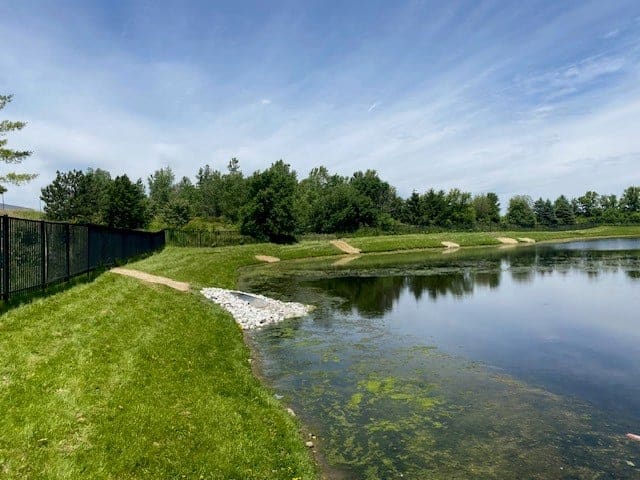
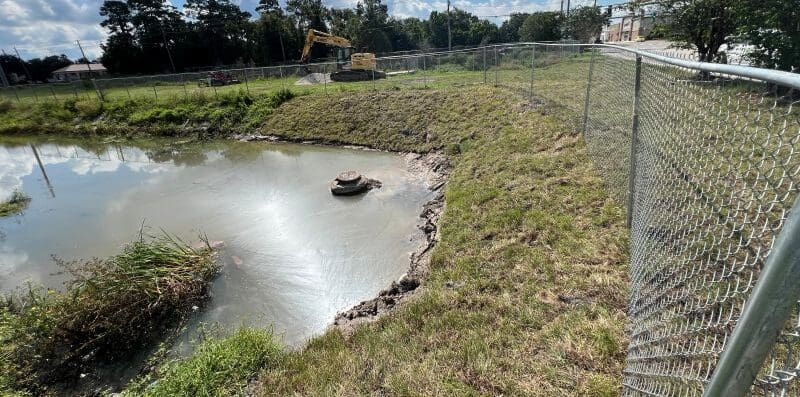
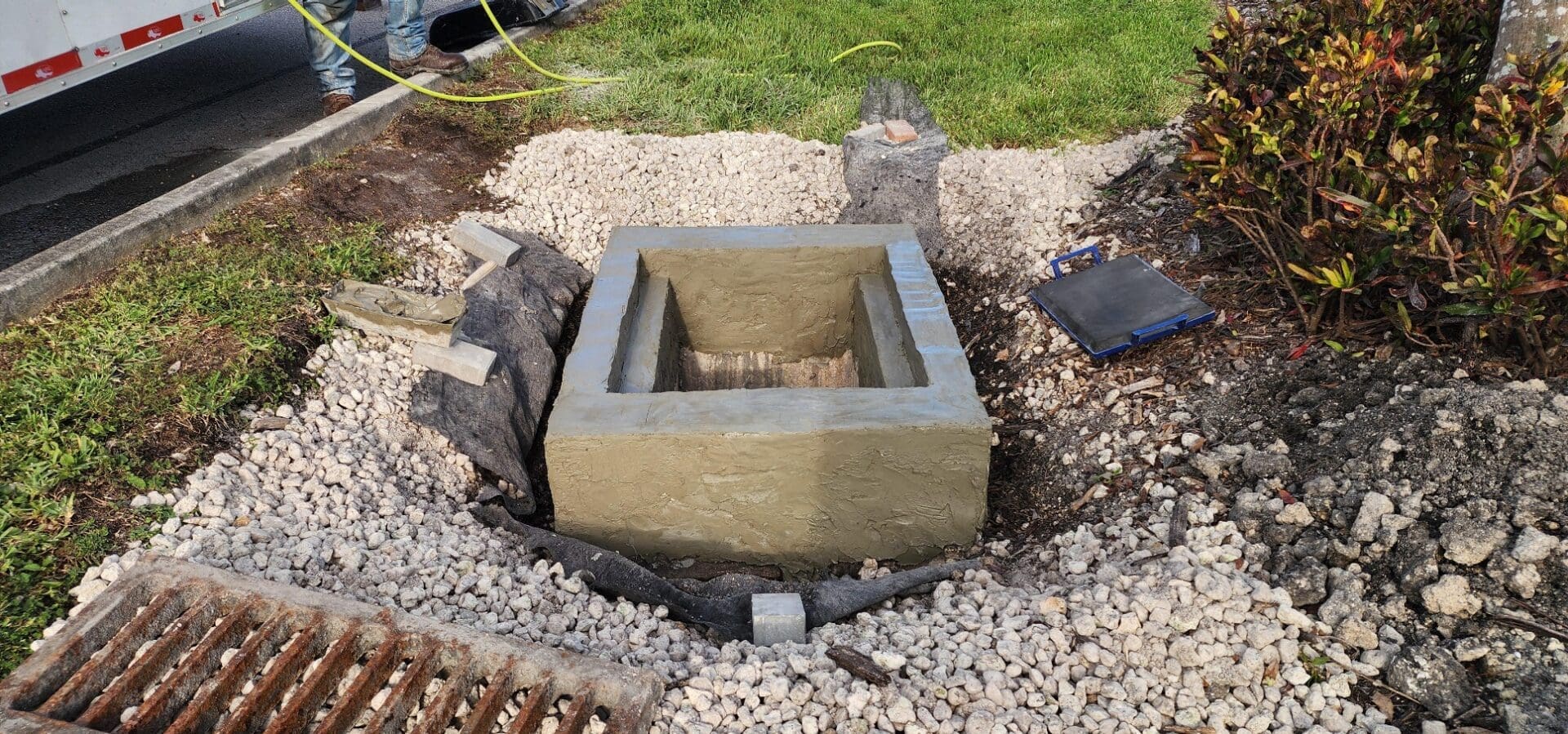
(A) The owners of lands on which structural post-construction BMPs have been installed to meet the requirements of this Regulation shall ensure the maintenance of these structural BMPs that should generally be installed in an outlet. Structural BMPs shall be inspected at least annually, and a written record of inspection results and any maintenance work shall be maintained and available for review by the County. Low Impact Development (LID) –type BMPs that are installed on a building lot shall be maintained by the owner/occupant of such building lot. BMPs located on a single family or duplex residential building lots are exempt from the annual inspection and reporting requirements. Such BMPs shall however be subject to County inspection, at reasonable times.
(B) The responsibility to maintain a BMP may be transferred through a contract or other agreement. The person or entity accepting a maintenance obligation in such a contract or agreement will also be legally obliged to maintain that BMP pursuant to this Regulation. However, no contract or other agreement imposing an obligation to maintain a BMP can relieve a person or entity of any obligation to maintain a BMP imposed by this Regulation.
(C) The applicant or owner shall execute an inspection and maintenance agreement, to be filed of record, binding on all subsequent owners of land served by a private storm water management facility. Such agreement shall provide for access to the BMP, at reasonable, times, for inspections by the County or its authorized representative to ensure that the facility is maintained in proper working condition to meet design standards.
D) The applicant and/or owner shall record the maintenance agreement with the Register of Deeds.
E) The maintenance agreement shall also provide that if after notice by the County to correct a violation requiring maintenance work, satisfactory corrections are not made by the owner(s) within a reasonable period of time (30 days maximum), the County may perform all necessary work to place the facility in proper working condition. The owner(s) of the facility shall be assessed the cost of the work and any lawful penalties.
38.26 REGULATORY ACTIONS
If substances in violation of this regulation are discharged or proposed to be discharged into the municipal storm sewer system of the County or any tributary thereto, the County may take action necessary to:
- Prohibit the discharge of such effluent.
- Require a discharger to demonstrate that modifications to such discharger’s facilities will reduce or eliminate the discharge of such substances in conformity with this article.
- Require pretreatment, including storage, detention or retention facilities necessary to reduce or eliminate the objectionable characteristics or substances so that the discharge will not violate these prohibitions and limitations.
- Require the person making, causing, or allowing the discharge to pay an additional cost or expense incurred by the County for taking remedial actions as may be deemed to be desirable or necessary to achieve the purpose of this chapter. Such additional cost or expense may be levied as a special assessment on the property.
- Require any combination or all of the above.
- Require compliance with the Sarpy County Nuisance Regulation.
38.27 NOTICE OF VIOLATION; CORRECTION OF VIOLATIONS
Whenever the Director finds that any person has violated or is violating this article or any prohibition, limitation or requirement contained herein, such person shall be notified in writing.
38.28 PENALTY; RECOVERY OF DAMAGES
Any person who is found to have violated an order provided for in this article, or who willfully or negligently failed to comply with any provisions of this article and the rules and regulations issued hereunder, shall be deemed guilty of a Class III misdemeanor. Each day any such violation or failure to perform such act shall continue, shall constitute a separate offense, unless otherwise specifically provided. Except as prohibited by the State or Federal Constitutions, a prosecution under this Regulation, shall not be the exclusive penalty for such acts or omissions.
View State Page
Frequently Asked Questions
Who is responsible for a private stormwater conveyance system in Sarpy County?
The property owner is fully responsible for maintaining, repairing, and properly operating any private stormwater conveyance system, whether it sits entirely on private property or partly within the public right-of-way. The county has no obligation to maintain these systems, and if one isn’t operating properly and causes improper discharge, the county can declare it a public nuisance and pursue abatement.
What discharges are prohibited from commercial and industrial properties in Sarpy County?
The list is extensive and covers water from cleaning vehicle service facilities, vehicles, machinery, or equipment; water from washing garbage dumpster areas or containing vehicle fluids; mat wash and kitchen cleaning water from food service facilities; wash out from concrete trucks; runoff from areas storing hazardous substances like fuel or motor oil; and pressure washing or steam cleaning runoff from sidewalks, plazas, and building exteriors, among others. Any of these require a separate NPDES permit or Planning Department approval to be legal.
What has to happen if a prohibited discharge reaches Sarpy County's storm sewer system?
The discharger must immediately notify the Director by phone, fax, or email, including the discharge location, materials involved, estimated concentration and volume, and corrective actions taken. A written follow-up report detailing the same information, plus steps taken to prevent future discharges, must be filed within five days of the incident.
What size commercial project triggers a Post-Construction Stormwater Management Plan in Sarpy County?
Any preliminary plat, grading permit, or building permit application creating 5,000 square feet or more of impervious coverage requires a plan submitted alongside the Grading Permit application. At minimum, the plan must include Low Impact Development BMPs providing water quality control for the first half inch of runoff from the site.
How often do structural post-construction BMPs need inspection in Sarpy County?
At least annually, with written inspection and maintenance records kept available for county review. Property owners can transfer maintenance responsibility through a contract, but that agreement doesn’t relieve them of the underlying obligation the county’s regulation imposes.
What happens if a Sarpy County property owner doesn't fix a BMP maintenance violation?
After notice from the county, the owner has up to 30 days to make satisfactory corrections. If they don’t, the county can perform the necessary work itself and assess the cost, plus any applicable penalties, against the owner.
The information on this page is provided for general informational purposes only and is not legal advice. Regulations change frequently — AQUALIS makes no warranty as to the accuracy or completeness of this content, and any reliance on it is at your own risk. Consult a qualified professional or your local regulatory authority to confirm requirements applicable to your specific property.