
Last Updated 04/13/2026
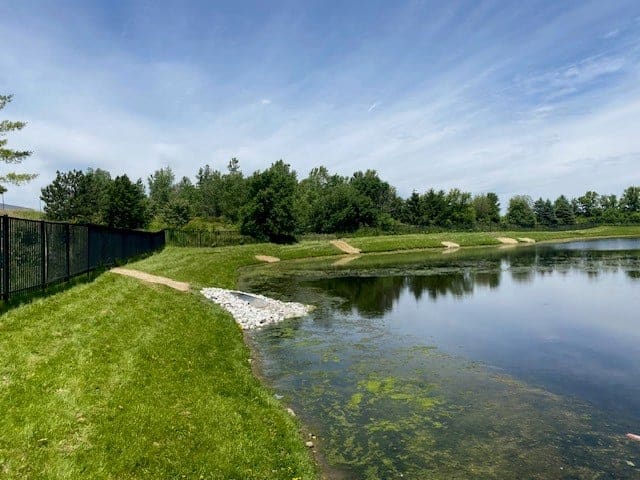
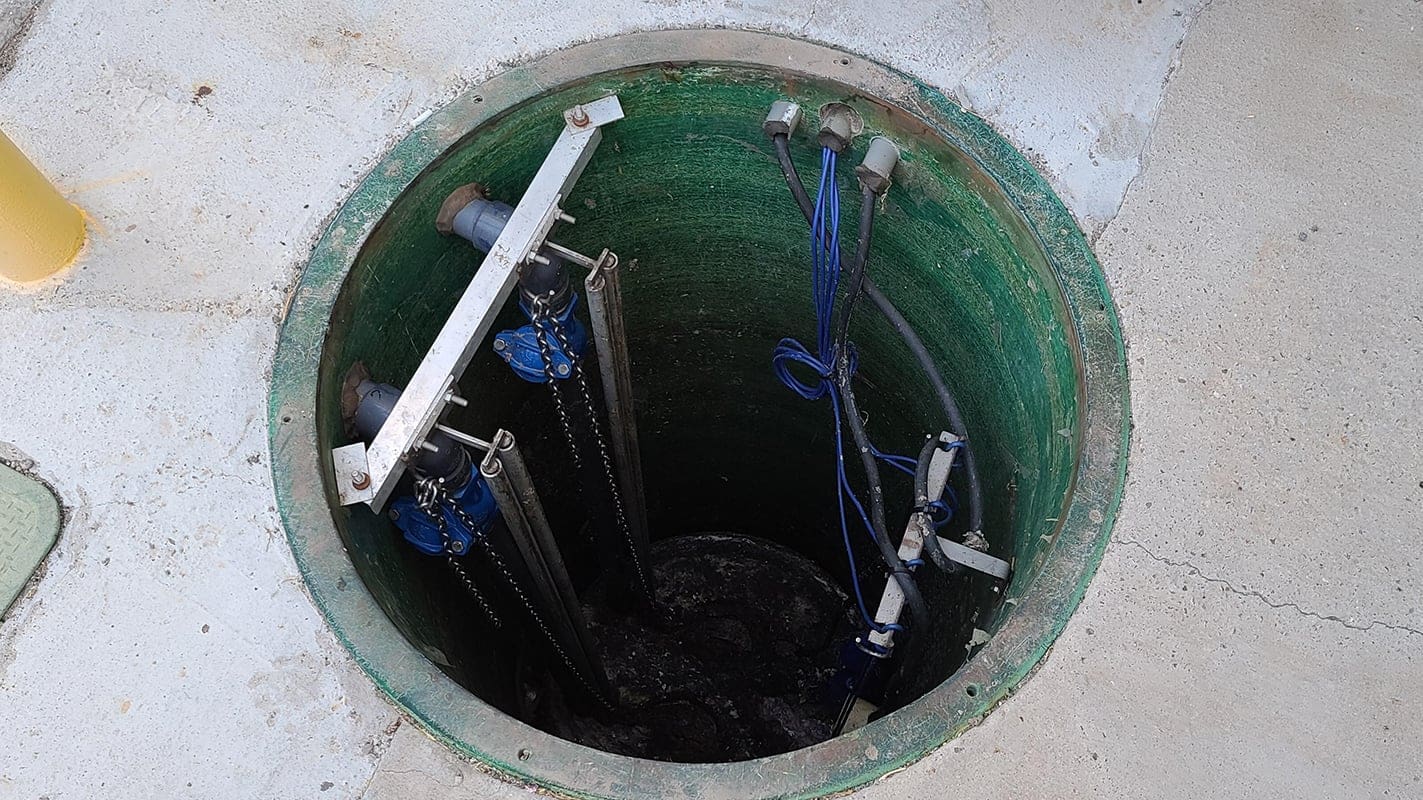
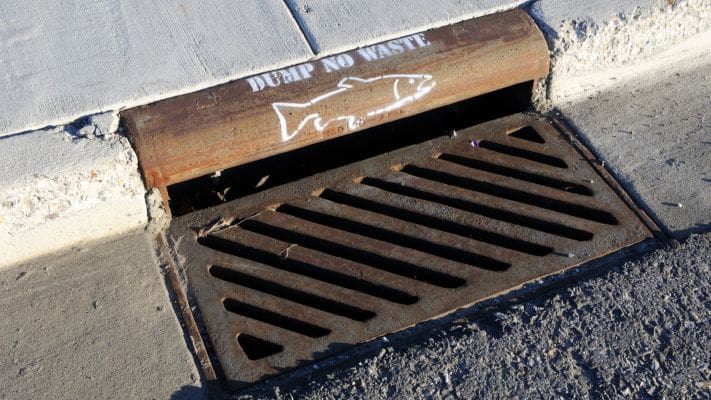
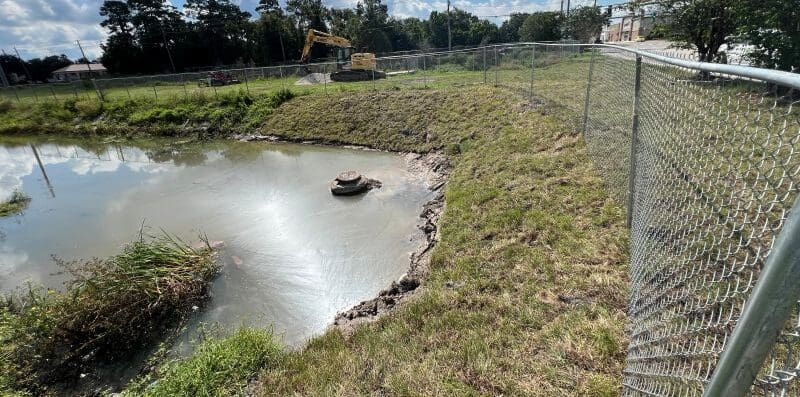
The City of Tampa has enacted a Stormwater Management Ordinance in order to protect the health, safety, and welfare of the general public through the administration and regulation of earthwork and drainage and to provide procedures and standards for the imposition of stormwater charges under the constitutional and statutory power of the city. The City of Tampa is the permitting authority for all land disturbing activities and requires the land owner to maintain all on-site stormwater control facilities and all open space areas (e.g. parks or “green” areas) required by the approved stormwater control plan. The City of Tampa will only provide construction permits to projects that establish a plan to manage stormwater runoff occurring during the construction process. Stormwater fees will be calculated and collected by the city. Stormwater credits are available for properties that engage in stormwater best management practices. The City of Tampa, under the NPDES program, also has the authority to inspect properties for noncompliance and can issue a notice of violation (NOV) for any deficiency or infraction onsite. Property owners are responsible for the maintenance of any stormwater facilities or practices located on the property. The City of Tampa has the authority to inspect stormwater facilities and practices in order to ascertain that they properly maintained and functioning.
Stormwater Management Ordinance
Sec. 21-49. – Operation and maintenance inspection fee.
A fee shall be charged for each regularly scheduled periodic inspection made by an authorized city representative to ensure the proper operation and maintenance of private drainage facilities. The charge for subsequent inspections to verify correction of any operation and maintenance deficiencies shall be the same as for a reinspection.
Sec. 21-82. – Violations—General.
Violations of the provisions of this chapter and/or failure to comply with any of its requirements, including violations of conditions and safeguards established in connection with grants of a variance or special exceptions, shall be considered a public nuisance.
Sec. 21-83. – Same—Construction, operation and maintenance violations.
It is unlawful and hereby declared a public nuisance for any person to construct or add to or operate and maintain any stormwater management facility in a manner which causes and/or allows conditions which, in the opinion of the official, are dangerous, unsafe, unsanitary and/or are a menace to life, health, safety and welfare and/or property.
Sec. 21-84. – Same—Abatement; notice.
Where a condition exists which could constitute, in the opinion of the official, an imminent threat to the life, health, safety, property and/or welfare of the public, the official may abate the condition by the use of city forces or by contract, and, in this case of emergency, verbal notice to the owner, his agent, representative, contractor or the person who committed the violation will be sufficient notice under the law.
Sec. 21-85. – Same—Each day an offense.
Each day that the public nuisance, as stated in this division, continues shall be considered a separate offense.
Non-Residential Stormwater Utility Fees
Non-residential properties (commercial, industrial, governmental, etc.) will be charged based on the impervious area associated with their property. The calculation will consider the total amount of impervious surfaces (building footprint, parking lot, sidewalks and other paved surfaces) divided by the billing unit value of 3,310 and then will be multiplied by the rate of $12.00 annually. In some cases, a reduction to the bill amount will be granted if the property has a privately maintained drainage facility in place. The initial non-residential bills are based on digitization of aerial photographs.
Mitigation Credits
Full Credit
A full credit (100%) is given to parcels when no part ever drains to any City system or right-of-way. This can be either through direct discharge to a receiving water such as the River or Bay, or it can be applied if the parcel discharges to a system maintained by a non-City entity to such receiving water. It can also be applied to those parcels which drain to a retention pond capable of holding the 100 year storm and which has no discharge.
Full Credit Conditions:
- Drain ONLY to River or Bays (No part of the parcel may drain to the street)
- Have a properly maintained 100 year storm retention pond onsite
- Drain to another entity’s system such as FDOT which does not connect to the City system.
- Resident of a subdivision where the City has no maintenance responsibility and which does not ultimately drain to a City system.
Partial Credit
The partial credit (10%) is given to those parcels which have maintained facilities onsite to limit their discharge of runoff by treatment and attenuation.
Partial Credit Conditions:
- Has properly-maintained onsite detention and treatment facility.
View State Page
Frequently Asked Questions
How do I know if my stormwater system is at risk in Tampa?
Standing water lasting more than 72 hours after rain, erosion around drainage structures, sinkholes or discolored discharge are all signs worth acting on. In Tampa, the stakes are a little different, since the city can inspect any stormwater facility or practice to confirm it’s properly maintained and functioning, and a deficiency found onsite can result in a notice of violation under the NPDES program. Property owners are responsible for maintaining every stormwater facility and open space area required by their approved stormwater control plan, so a system that’s been neglected is a compliance issue as much as a physical one.
How does stormwater compliance affect property value in Tampa?
Tampa’s stormwater utility fee is tied directly to a property’s impervious surface, and how well a system manages runoff can affect that bill through the city’s mitigation credit program. A property with a properly maintained detention and treatment facility can qualify for a partial credit, while one that drains entirely to a river, bay or outside system without touching city infrastructure can qualify for a full credit. Buyers and lenders increasingly factor these credits and any open violations into their due diligence, so a well-documented, well-maintained system can be a genuine value driver rather than just a maintenance line item.
How often does Tampa require stormwater inspections?
The city conducts regularly scheduled periodic inspections of private drainage facilities, and a fee applies to each one, along with any reinspection needed to confirm a deficiency has been corrected. Beyond that baseline, the city retains authority under the NPDES program to inspect a property at any time it suspects noncompliance. Staying current on routine maintenance is the most reliable way to make sure a scheduled inspection doesn’t turn into a reinspection.
What are the most common stormwater violations in Tampa?
Tampa’s code treats any stormwater facility operated in a way that’s dangerous, unsafe, unsanitary or a menace to public health and safety as a public nuisance, and the violations AQUALIS sees most often fit that definition without ever involving a dramatic incident. Overgrown vegetation, sediment accumulation that eats into a pond’s capacity and clogged or damaged inlets are the usual findings. It’s worth noting that under the city’s code, each day a violation continues counts as a separate offense, so a small deficiency left unaddressed adds up fast.
What happens if my property is found in violation of Tampa's stormwater ordinance?
If a city official considers a condition an imminent threat to public health, safety or property, Tampa can abate it directly using city forces or a contractor, and verbal notice to the owner is enough under an emergency. Outside of an emergency, violations are treated as a public nuisance, and since each day of non-compliance counts as its own offense, costs and exposure build quickly the longer an issue sits unresolved. AQUALIS works with Tampa property owners to resolve open violations fast and put maintenance plans in place that keep the same deficiency from resurfacing at the next inspection.
The information on this page is provided for general informational purposes only and is not legal advice. Regulations change frequently — AQUALIS makes no warranty as to the accuracy or completeness of this content, and any reliance on it is at your own risk. Consult a qualified professional or your local regulatory authority to confirm requirements applicable to your specific property.