

Last Updated 07/24/2026
City of South Burlington Stormwater Ordinance
ARTICLE V – STORMWATER SYSTEM
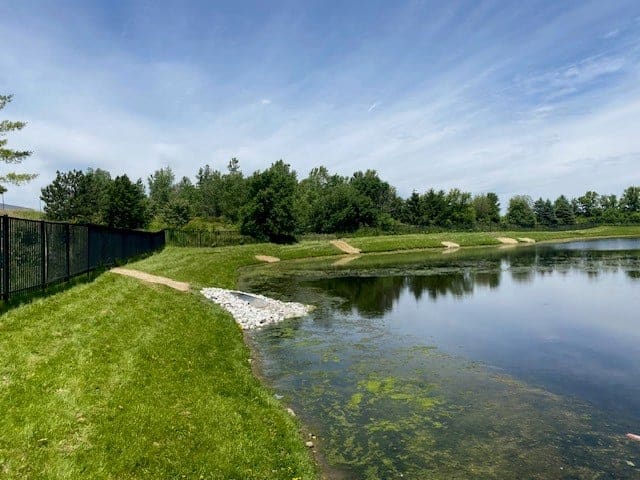
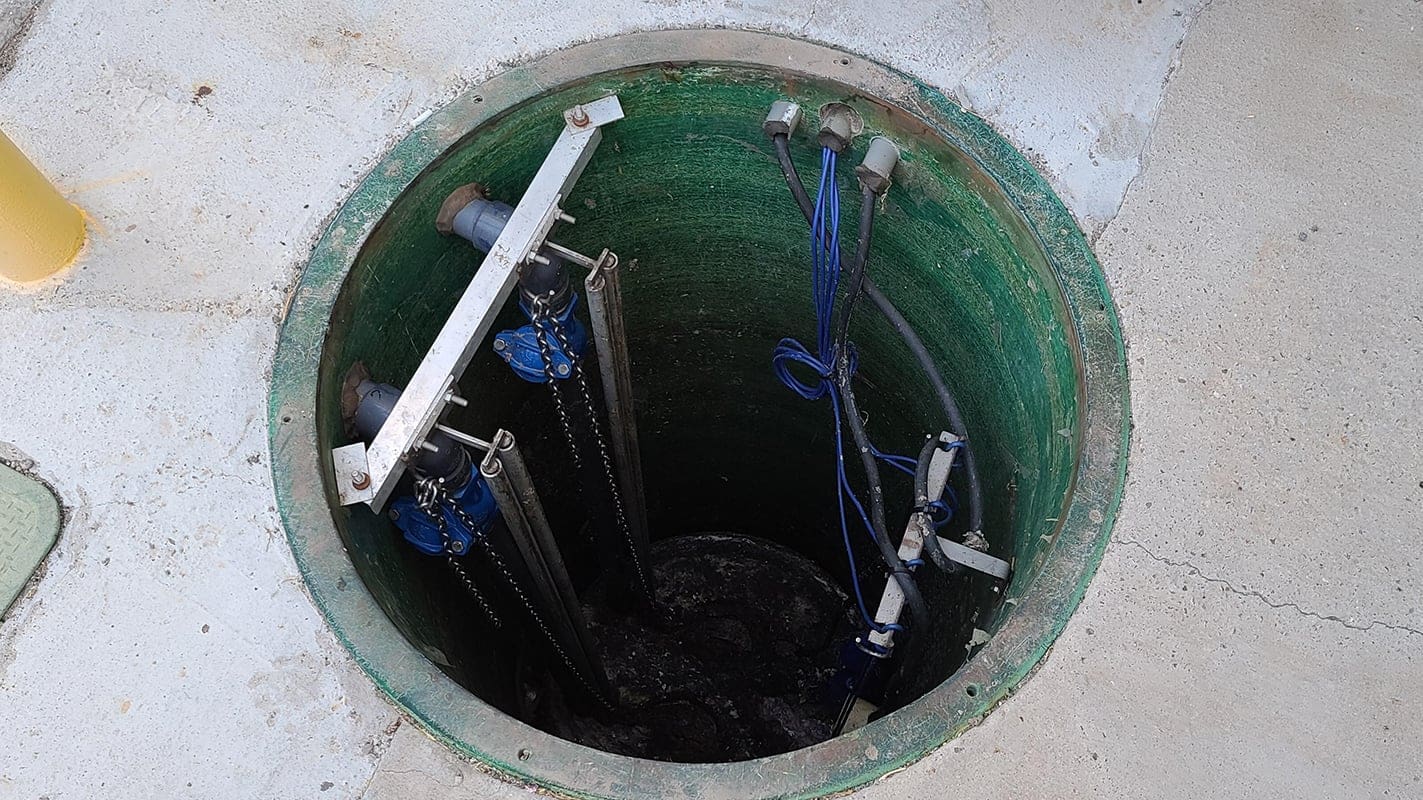
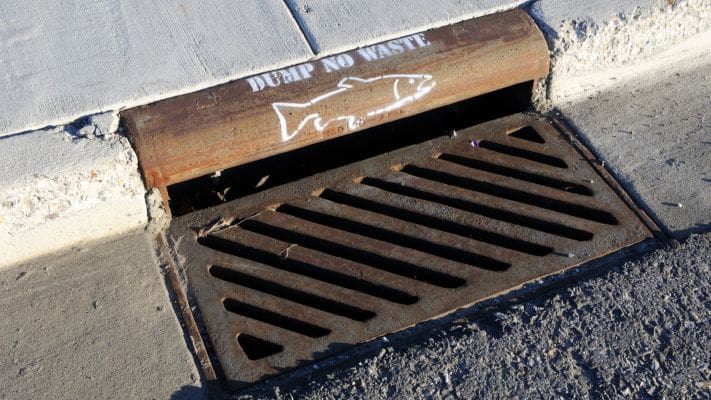
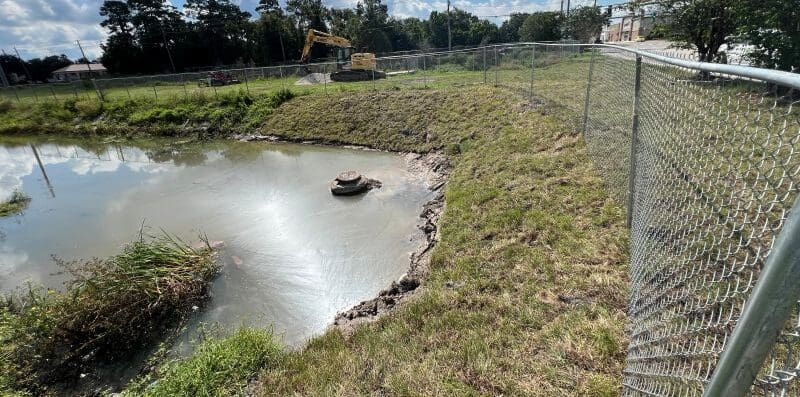
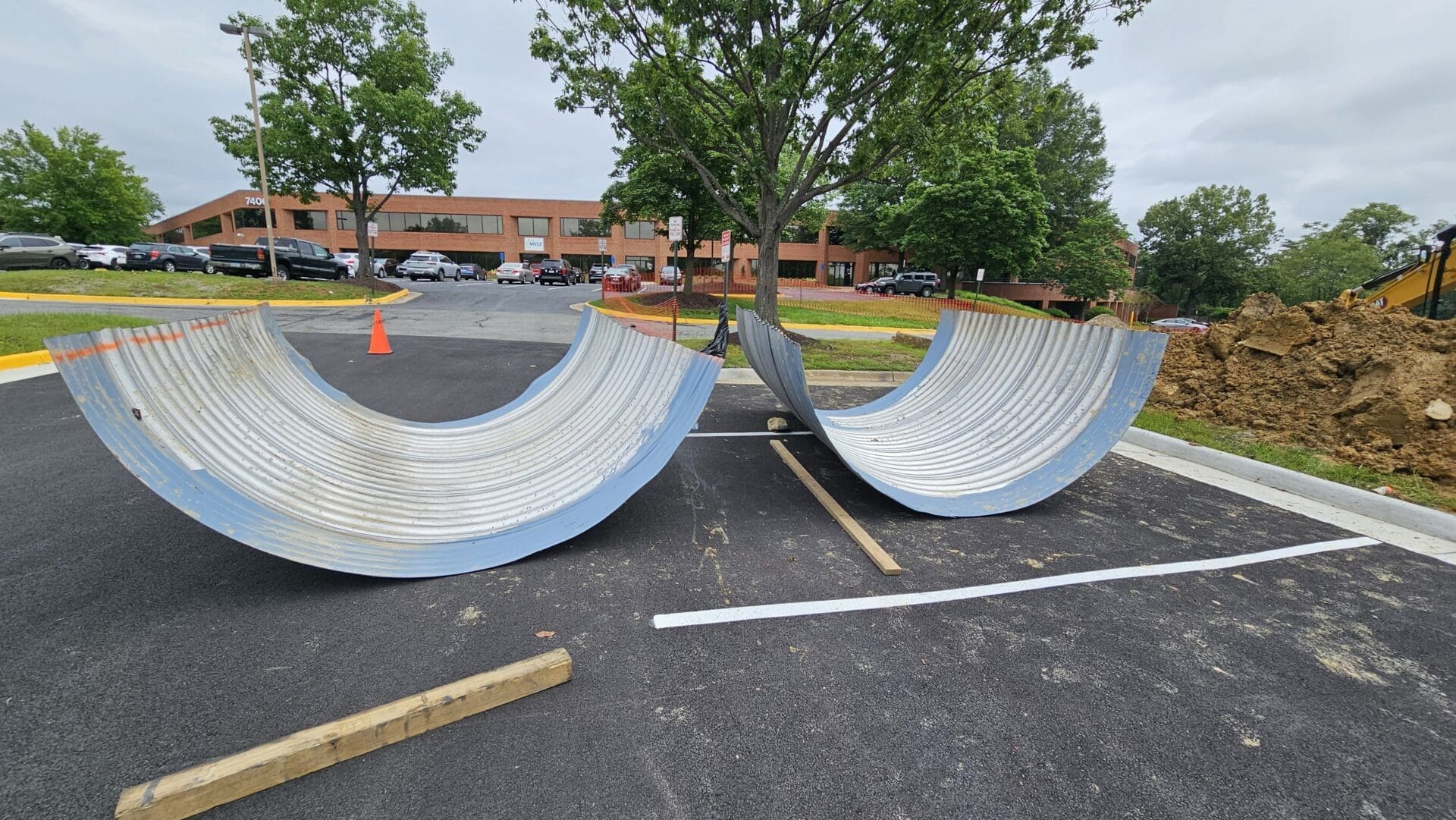
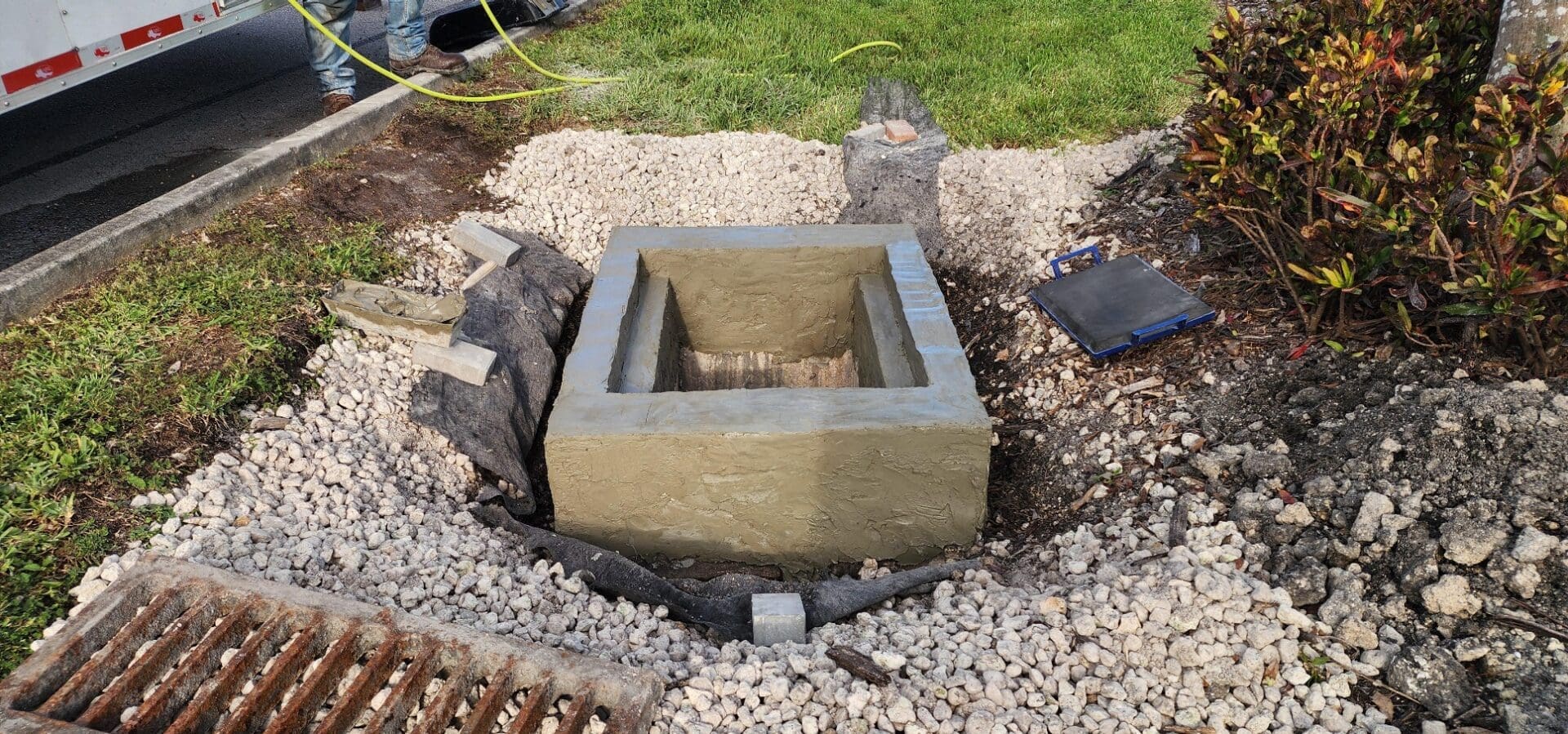
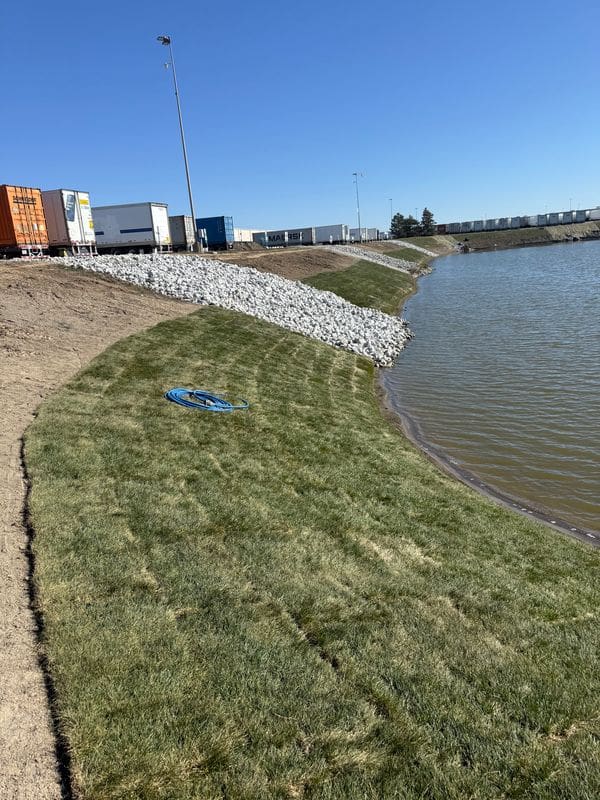
The City of South Burlington owns and maintains a stormwater system, separate from the sanitary sewer system. The stormwater system includes conveyance piping, storm drains, culverts, detention basins, constructed wetlands, hydrodynamic swirl separators, drains, stormwater outfalls and other stormwater treatment practices. There are approximately 112 miles of stormwater pipe in South Burlington. In addition, there are over 5,000 storm drains within the City, more than 3,000 of which are publicly owned.
Unmanaged stormwater is causing water pollution, erosion, flooding, and unstable stream banks. Private stormwater systems that are not maintained can become a public problem, and land owners are required to maintain any stormwater controls onsite through an operations and maintenance plan. Also, a stormwater user fee is imposed on every owner of non-exempt developed property within the city, based on how much impervious surface the property contains.
The MS4 permit is a federally mandated stormwater permit under the National Pollutant Discharge Elimination Systems (NPDES) program. In Vermont, the MS4 permit program is administered by the Vermont Agency of Natural Resources (ANR). The MS4 permit is issued by ANR for a five year period. The primary mechanism by which the City of South Burlington meets requirements of the MS4 permit is through the activities of the South Burlington Stormwater Utility.
Section 6. Best Management Practices
(A) The Stormwater Superintendent will adopt requirements identifying Best Management Practices (BMPs) for any activity, operation, or facility which may cause or contribute to an Illicit Discharge to the Stormwater System. The owner or operator of a commercial or industrial establishment shall provide, at their own expense, reasonable protection from an accidental Illicit Discharge into the Public Stormwater System. Further, any Person responsible for a property or premises, which is, or may be, the source of an Illicit Discharge to the Public Stormwater System, may be required to implement, at said Person’s expense, additional BMPs to prevent or discontinue the Illicit Discharge. Compliance with all terms and conditions of a valid NPDES permit authorizing the discharge of Stormwater associated with Industrial Activity, to the extent practicable, shall be deemed in compliance with the provisions of this Section.
(B) Every Person owning property through which a Watercourse passes, or such Person’s lessee, shall keep and maintain that part of the Watercourse within the property free of trash, debris, excessive vegetation, and other obstacles that would pollute, contaminate, or significantly retard the flow of water through the Watercourse. In addition, the owner or lessee shall maintain existing privately owned structures within or adjacent to a Watercourse, so that such structures will not become a hazard to the use, function, or physical integrity of the Watercourse.
(C) Notwithstanding other requirements of law, as soon as any Person responsible for a facility or operation, or responsible for emergency response for a facility or operation has information of any known or suspected release of materials which are resulting or may result in an Illicit Discharge into the Stormwater System, said Person shall take all necessary steps to ensure the discovery, containment, and cleanup of such release. In the event of a release of Hazardous Materials, said Person shall immediately notify emergency response agencies of the occurrence via emergency dispatch services. In the event of a release of nonhazardous materials, said Person shall notify the Stormwater Superintendent in person or by phone or facsimile no later than the next business day. Notifications in person or by phone shall be confirmed by written notice addressed and mailed to the Stormwater Superintendent within three business days of the phone notice. If the Illicit Discharge emanates from a commercial or industrial establishment, the owner or operator of such establishment shall also retain an on-site written record of the discharge and the actions taken to prevent its recurrence. Such records shall be retained for at least three years.
ARTICLE VI – STORMWATER SYSTEM USER FEES
SECTION 1. Establishment of Stormwater User Fees
(a) A user fee based on an Equivalent Residential Unit (ERU) shall be imposed on every owner of non-exempt developed property within the City. An ERU shall equal that square footage that represents the median of the area of impervious surface for all single family residences in the City. The City Council shall, by resolution, establish the square footage that constitutes one ERU on a periodic basis.
(b) The City Council shall have the authority to set and modify the user fee rates so that the total revenue generated by said charges, and any secondary sources of revenue, shall be sufficient to fund the City’s stormwater program.
(c) The City council shall establish by resolution the monthly rate for each ERU. The monthly user fee for a specific property is determined by multiplying the rate per ERU times the number of ERUs allocated to the property.
(d) The only exempt property under this Article is that included within the limits of a railroad track right-of-way. Property on which railroad stations, maintenance buildings, or other developed land used for railroad purposes is located shall not be exempt.
View State Page
Resources
South Burlington Credit Manual for Stormwater Fees
View Ordinances
South Burlington Sewerage and Stormwater Ordinance
View Town of Cary Master Plan
City of Burlington Phase II Stormwater Management Plan
Visit Website
South Burlington Stormwater Upgrade Feasibility Analysis
Visit Website
South Burlington Stormwater Website
Visit Website
Frequently Asked Questions
What is stormwater compliance in the City of South Burlington?
Stormwater compliance in South Burlington means following the City’s Stormwater Ordinance, which regulates discharges to the stormwater system and requires property owners to maintain any on-site stormwater controls through an operations and maintenance plan. South Burlington’s stormwater system is separate from the sanitary sewer system and includes approximately 112 miles of pipe and over 5,000 storm drains. More than 3,000 of those drains are publicly owned, meaning the remainder are the responsibility of private property owners.
The City operates under a Phase II MS4 permit issued by the Vermont Agency of Natural Resources for a five year period, administered through the South Burlington Stormwater Utility. Any discharge of stormwater from developed property in the City is subject to the ordinance, and any change to how stormwater leaves your property requires prior City approval.
Who is responsible for private stormwater system maintenance in South Burlington?
Property owners are required to maintain any stormwater controls on their property through an operations and maintenance plan. Private stormwater systems that are not maintained can become a public problem under the City’s ordinance, and the City has authority to require corrective action.
Owners of commercial and industrial establishments are also required to provide reasonable protection from accidental illicit discharges into the public stormwater system, at their own expense. If a property is identified as a potential source of an illicit discharge, the City can require implementation of additional BMPs at the property owner’s expense.
Property owners with a watercourse passing through their land are also required to keep that portion of the watercourse free of trash, debris, excessive vegetation, and other obstacles that could pollute, contaminate, or retard the flow of water. AQUALIS can manage your operations and maintenance plan and keep your stormwater systems in good standing.
How does South Burlington's stormwater user fee work?
South Burlington imposes a quarterly stormwater user fee on every owner of non-exempt developed property within the City, billed alongside water and sewer charges. The fee is based on an Equivalent Residential Unit (ERU), which represents the median impervious surface area of single-family residences in the City. The City Council sets the ERU square footage and the monthly rate per ERU by resolution.
Your quarterly bill will show the number of ERUs allocated to your property. If you believe the allocation is incorrect, you have 15 calendar days from the mailing date of the bill to submit a written appeal to the Stormwater Superintendent. Filing an appeal does not suspend your obligation to pay the fee when due.
Unpaid stormwater fees become a lien on the property in the same manner as delinquent taxes, with late penalties and interest applying after 30 days.
Can stormwater fees be reduced in South Burlington?
Yes. South Burlington has a published Credit Manual for stormwater fees that allows property owners to reduce their user fee assessment by implementing qualifying stormwater management practices. AQUALIS can review your property’s existing stormwater controls, help identify what may qualify for credits under the Credit Manual, and assist with the application process. Maintaining your stormwater systems in good working order is typically a condition of retaining any credits you have received.
How do I know if my South Burlington stormwater system is at risk of failure or safety violation?
Watch for these warning signs.
No operations and maintenance plan in place. South Burlington requires property owners to maintain on-site stormwater controls through an O&M plan. If you have stormwater facilities on your property and no plan documents how they will be maintained, that is an active compliance gap.
You changed or altered stormwater discharge without approval. Any change to how stormwater leaves your property requires prior City approval. Unpermitted alterations, including rerouting drainage, adding impervious surface, or connecting to the public system without a written permit, are violations.
A release occurred and was not reported. Hazardous material releases must be reported immediately to emergency response agencies. Non-hazardous releases must be reported to the Stormwater Superintendent no later than the next business day and confirmed in writing within 3 business days. Commercial and industrial operators must also retain written on-site records of any discharge for at least 3 years.
A watercourse on your property has not been maintained. If a stream or waterway runs through your property and has accumulated debris, excessive vegetation, or encroaching structures, that is a compliance issue independent of any infrastructure obligation.
Your stormwater fee ERU allocation appears incorrect. If the impervious area on your bill does not match your actual conditions, a written appeal within 15 days of the billing date is the only way to contest the allocation.
Recent property purchase. Operations and maintenance obligations and any existing stormwater controls stay with the property. AQUALIS can assess the condition of your stormwater system and help you understand what is required going forward.
The information on this page is provided for general informational purposes only and is not legal advice. Regulations change frequently — AQUALIS makes no warranty as to the accuracy or completeness of this content, and any reliance on it is at your own risk. Consult a qualified professional or your local regulatory authority to confirm requirements applicable to your specific property.