


Last Updated 08/14/2026
Excerpt from Cincinnati Stormwater Management Code
Chapter 720 Stormwater Management
Sec. 720-13. – Private Facilities.
The owner shall be responsible for private drainage facilities within the public right-of-way, including, but not limited to, downspout lines, sump lines, foundation drains, yard drains, patio and porch drains.
The owner shall clean and maintain the private facilities as required to ensure proper operation. The utility division may repair private facilities within the right-of-way when the deputy director of stormwater management utility has determined that such repair is needed to abate a risk to the public or public property. In such circumstances, the utility division may bill the owner of the private facility for all repair costs.
The owner shall place no structures or plantings that interfere with the drainage facility or its operation and maintenance.
Sec. 720-15. - Public Facilities.
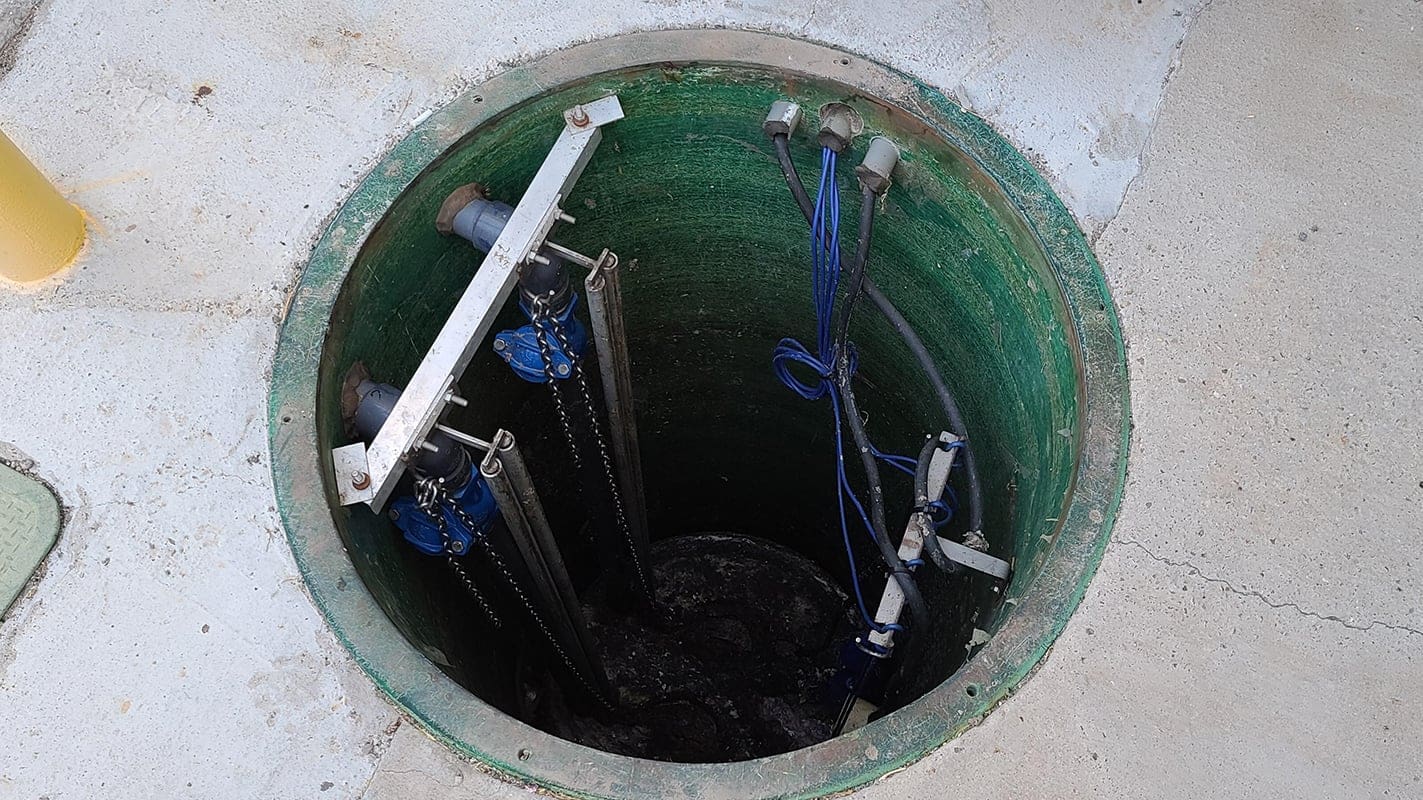
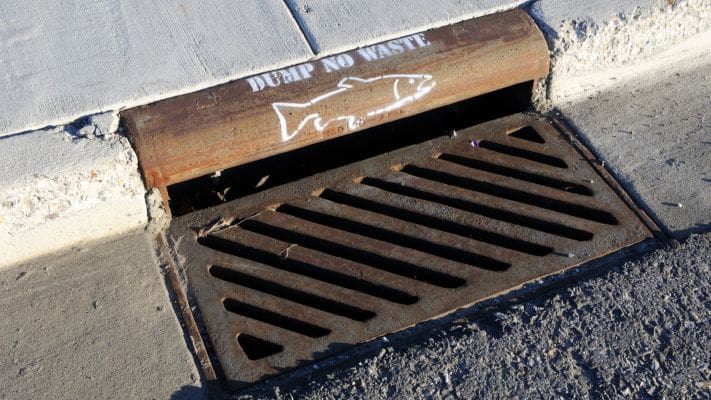
The utility division shall be responsible for the inspection, maintenance, and operation of public drainage facilities on all streets, boulevards, alleys, viaducts, sidewalks, curbing, street crossings, grade separations, and other public ways and easements and highway structures and appurtenances belonging to the city. These facilities may include, but are not limited to, inlets, manholes, pipe sewers, ditches, culverts, canals, streams, levees, tunnels and appurtenances thereof.
Where public facilities are in easements, the owner of the property is responsible for aesthetic maintenance such as, but not limited to, lawn mowing and litter pickup.
Sec. 720-19. - Routine and Remedial Maintenance.
The deputy director of stormwater management utility shall provide for inspection and routine maintenance of public storm facilities. Routine maintenance may include, but is not limited to, cleaning catch basins, intakes, bridge surface drainage systems, manholes, storm conduits, ditches and channels, as well as erosion repair, street sweeping, and other incidentals. The deputy director of stormwater management utility may take reasonable actions to prevent the entry of foreign or improper objects into the stormwater system, including, but not limited to, debris, litter, and yard waste. The deputy director of stormwater management utility shall provide for remedial maintenance of facilities based upon the severity of stormwater problems and potential hazard to the public. Remedial maintenance may include, but is not limited to, repairing, replacing, modifying and/or extending public storm facilities. Remedial maintenance of bridge surface drainage systems shall remain the responsibility of agencies other than the utility division.
Sec. 720-23. - Rules and Regulations.
In order to accomplish the purpose of this chapter to protect the drainage facilities, improvements, and properties owned by the city; to secure the best results from the construction, operation, and maintenance thereof; and to prevent damage, including, but not limited to, damage from erosion, siltation, sedimentation, and illicit discharges, that adversely affects public rights-of-way, storm sewers, drainage ditches, watercourses, and other drainage facilities, and misuse of any of the drainage facilities, improvements, or properties within the city, the deputy director of stormwater management utility may make and enforce rules and regulations that are approved by the city manager, and are necessary and reasonable:
(1) To prescribe the manner in which storm sewers, ditches, channels, and other stormwater facilities are to be designed, installed, maintained, adjusted, used, altered or otherwise changed.
(2) To prescribe inspection and other fees permitted by this chapter.
(3) To prescribe the manner in which such facilities are operated.
(4) To facilitate the enforcement of this chapter.
(5) To prescribe the collection procedures and timing of service charge bills.
(6) To protect the drainage facilities, improvements, and properties controlled by the division, and to prescribe the manner of their use by any public or private person, firm, or corporation.
(7) To protect the public health, safety, and welfare.
(8) To prohibit illicit discharges to the stormwater system.
(9) To comply with the terms and conditions of applicable federal, state and local permits with regards to public stormwater facilities.
Sec. 720-43. - Inspection and Surveillance.
The deputy director of stormwater management utility shall inspect permit premises and enforce all laws relating to construction, alteration, repair, removal, demolition, equipment, use, location, and maintenance of the drainage facilities except as may be otherwise provided for. The deputy director of stormwater management utility shall, when the interests of the city so require, make investigations in connection with matters referred to in the code and render written reports on the same. For the purpose of enforcing compliance with the law, the deputy director of stormwater management utility shall issue such notices or orders as may be necessary.
The deputy director of stormwater management utility shall keep careful and comprehensive records of applications permits, inspections, reports rendered, notices, orders issued, and approvals. All such records shall be open for public inspection.
Sec. 720-45. - Notice of Violations.
When the deputy director of stormwater management utility finds the drainage facility, or the construction thereof, is contrary to the approved plans, or presents an unsafe or dangerous condition in connection with the provisions of this Code or of any law or ordinance relating to the same subject matter, or finds an illicit discharge or illicit connection, the deputy director of stormwater management utility shall give written notice to the owner of the premises. In addition to specifying a reasonable time in which to conform to the plans or the code, the notice shall:
- State where and in what respect the work does not conform to the approved plans, or state the defective condition and law violated; or
- State the nature of the illicit discharge and law violated; or
- State the illicit connection and law violated.
In every instance, a revocation notice of the permit shall be in writing and shall be served upon the owner, agent, or the person having charge of the work. A revocation notice shall also be posted alongside the permit. After the notice is received or posted, it shall be unlawful for any person to proceed with any operation for which such permit was issued. No part of the fees for such permit shall be returned.
Notice, as required by this provision, is to be served on the owner, agent, contractor or other person responsible for the work or violation related to this chapter, by personal delivery or by certified mail addressed to the last-known place of residence or place of business.
Sec. 720-53. - Storm Drainage Service Charge.
A storm drainage service charge is imposed on each lot and parcel of land within the city, and the owner thereof, excepting only streets, boulevards, alleys, viaducts, sidewalks, curbing, street crossings, grade separations, and other public ways and easements, and highway structures and appurtenances belonging to the city.
(1) Undeveloped land shall be exempted from stormwater service charges.
(2) Road and freeway rights-of-way shall be exempted from the storm drainage service charge because they function as part of the stormwater collection and conveyance system. Railroads and other rights-of-way will be charged as described herein.
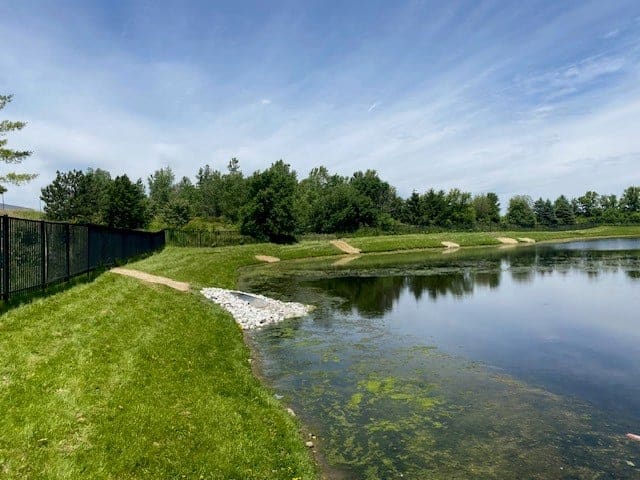
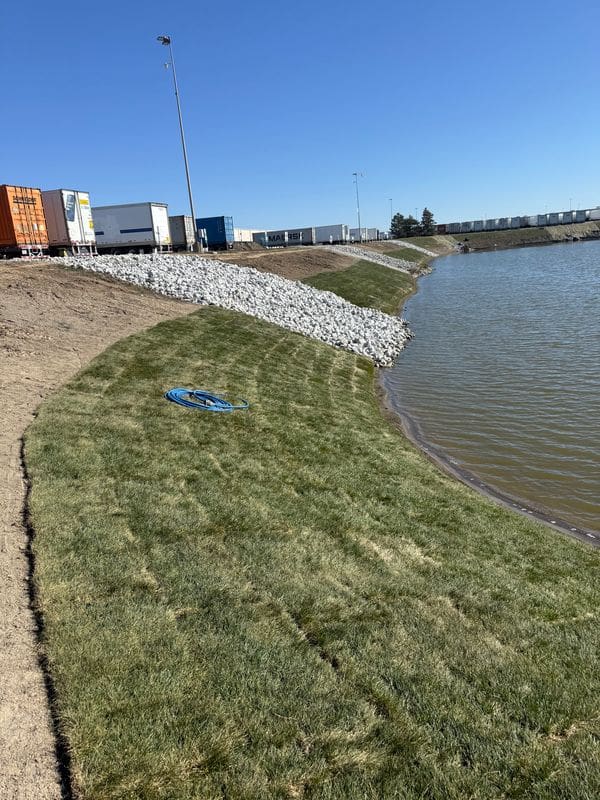
(3) Properties that have existing stormwater detention facilities, or those planning such facilities, may have their storm drainage service charges reduced as determined by the deputy director of stormwater management utility, in accordance with generally accepted engineering standards and practices to more accurately reflect the contribution to runoff from the property and the level of service provided to such property. The detention facilities must be in accord with the hydrologic, hydraulic, and structural design requirements of the rules and regulations. Facilities of a temporary nature will not be allowed a decrease in their charges.
View State Page
Frequently Asked Questions
What stormwater regulations apply to properties in Cincinnati?
Properties in Cincinnati are governed by Chapter 720 of the Cincinnati Code, which is administered by the Cincinnati Utility Division through the Utility Engineer. It covers private drainage facility maintenance, illicit discharge prohibitions, inspection and right of entry, easement requirements for stormwater facilities, and permit and violation procedures. Cincinnati properties are also subject to Ohio’s statewide Standards for Stormwater Management, Land Development and Urban Stream Protection, which set the maintenance requirements for stormwater control measures like ponds, bioretention areas, and permeable pavement.
Who enforces stormwater compliance in Cincinnati?
The Cincinnati Utility Division, through the Utility Engineer, administers and enforces Chapter 720 of the Cincinnati Code. The Utility Engineer has the authority to inspect permitted premises and enforce stormwater related laws, and city employees may enter a property at any reasonable time to perform their duties after presenting credentials.
What private drainage facilities are property owners responsible for maintaining in Cincinnati?
Property owners are responsible for maintaining private drainage facilities that connect to the public right of way, including downspout lines, sump lines, foundation drains, yard drains, and patio and porch drains. Owners must clean and maintain these facilities as needed to ensure proper operation.
Does the City of Cincinnati have the right to inspect my property for stormwater compliance?
Yes. The Utility Engineer has authority to inspect permitted premises, and city employees may enter a property at any reasonable time in the performance of their duties, provided they present credentials.
What happens if I receive a stormwater violation notice from the City of Cincinnati?
The Utility Engineer issues a written notice of violation specifying a reasonable timeframe to bring the property into compliance with the applicable plans or code. Notices are served either by personal delivery or certified mail.
Do Cincinnati properties also have to follow Ohio's statewide stormwater maintenance standards?
Yes. In addition to the city ordinance, Cincinnati properties with stormwater control measures such as ponds, bioretention areas, permeable pavement, infiltration trenches, or sand filters must meet Ohio’s statewide maintenance standards, including specific inspection frequencies and sediment removal thresholds for each system type.
How can AQUALIS help with stormwater compliance in Cincinnati?
AQUALIS provides stormwater inspections and maintenance to both city and state standards, CCTV pipe inspection and repair, illicit discharge response support, easement and right of entry documentation, stormwater credit application assistance, permit compliance support, and ongoing record-keeping so property owners have documentation ready if the Utility Division requests it.
The information on this page is provided for general informational purposes only and is not legal advice. Regulations change frequently — AQUALIS makes no warranty as to the accuracy or completeness of this content, and any reliance on it is at your own risk. Consult a qualified professional or your local regulatory authority to confirm requirements applicable to your specific property.