

Last Updated 08/21/2026
Excerpt from Stormwater Ordinance
Stormwater Rates
The stormwater rate system bills properties based on usage of the storm water system, as represented by impervious area. Impervious surfaces do not absorb water. Examples of impervious areas include roofs, pavement, sidewalks, patios, and gravel or crushed stone surfaces.
Stormwater Credits
You can take advantage of credits to lower your storm water bill.
Requirements
Under the Post Construction Stormwater Management control measure, the City of Ann Arbor has a program requiring new and redevelopment projects to implement on-site controls that will reduce pollutant loads in stormwater run-off. The City of Ann Arbor follows the rules of the Washtenaw County Water Resources Commissioner for post construction controls. These rules are incorporated by reference into Chapter 63 of the City Code – Stormwater Management and Erosion and Sedimentation Control.
City staff review site plans for compliance with regulations governing stormwater management.
Chapter 63 (5:658) requires all site plans to include a plan for the long-term maintenance of stormwater controls:
“A program proposal for the continued maintenance of all permanent soil erosion and sedimentation control measures that remain after project completion, including the designation of the person or party responsible for the maintenance. Maintenance responsibilities shall become a part of any sales or exchange agreement for the land on which the permanent soil erosion and sedimentation control measures are located.”
Utilizing Low Impact Development (LID)
Low impact development (LID) is the industry standard for green infrastructure. The LID Manual for Michigan provides the latest tools for implementing post construction stormwater controls.
What is LID? In short, it is a type of development that uses a basic principle modeled after nature – to manage rainfall using design techniques that infiltrate, filter, store, evaporate, and detain runoff close to its source. LID provides a host of stormwater benefits, including groundwater recharge and cleaner streams.
Keep the following in mind if you are implementing a LID project:
- Plan for stormwater management during initial phases of site design
- Manage stormwater close to where it falls
- Conserve and restore natural areas
- Minimize impervious surface
- Manage runoff with structural controls
- Provide maintenance and education
- Examples of LID Practices for Stormwater
Implementing LID practices can:
- Reduce the volume of stormwater flows
- Improve the quality of stormwater runoff
- Reduce the need for future capital improvements to maintain or repair stormwater systems
Infiltration
- Practices designed to facilitate the percolation of runoff through the soil to groundwater
- Result in reduced stormwater runoff quantity and reduced mobilization of pollutants
- Examples: infiltration basins/trenches, dry wells, permeable pavement (shown)
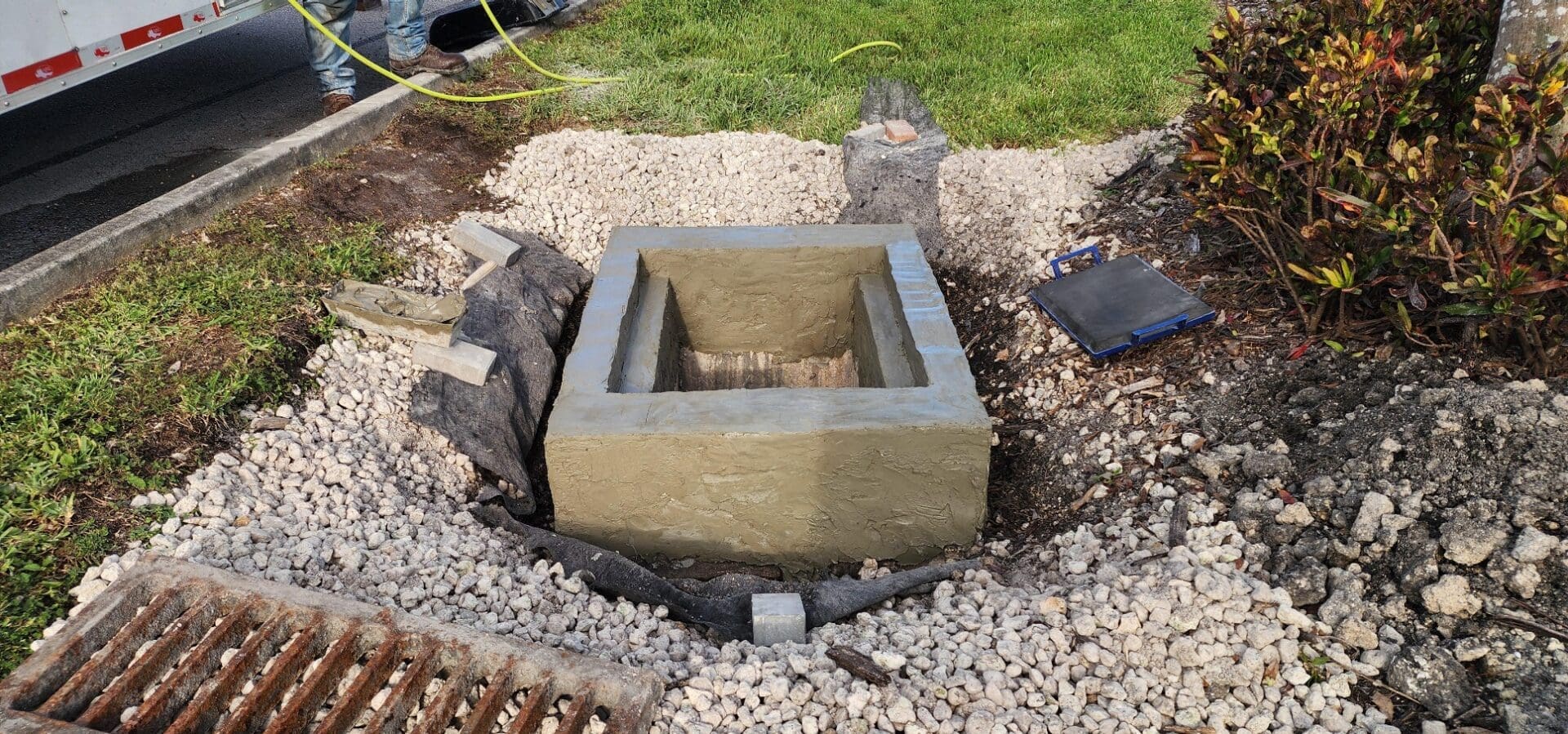
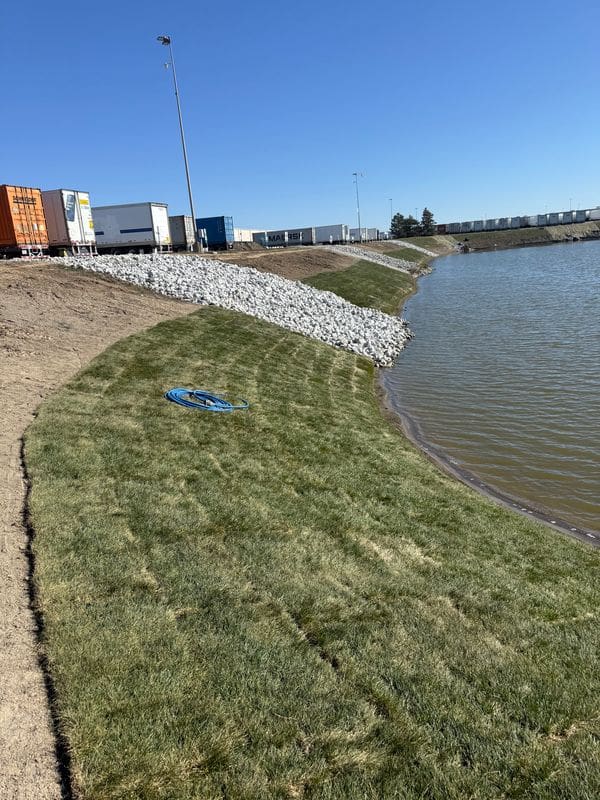
Stormwater Retention/Detention
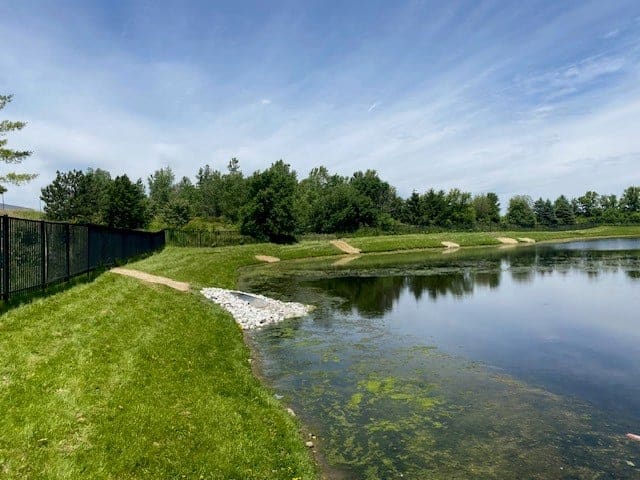
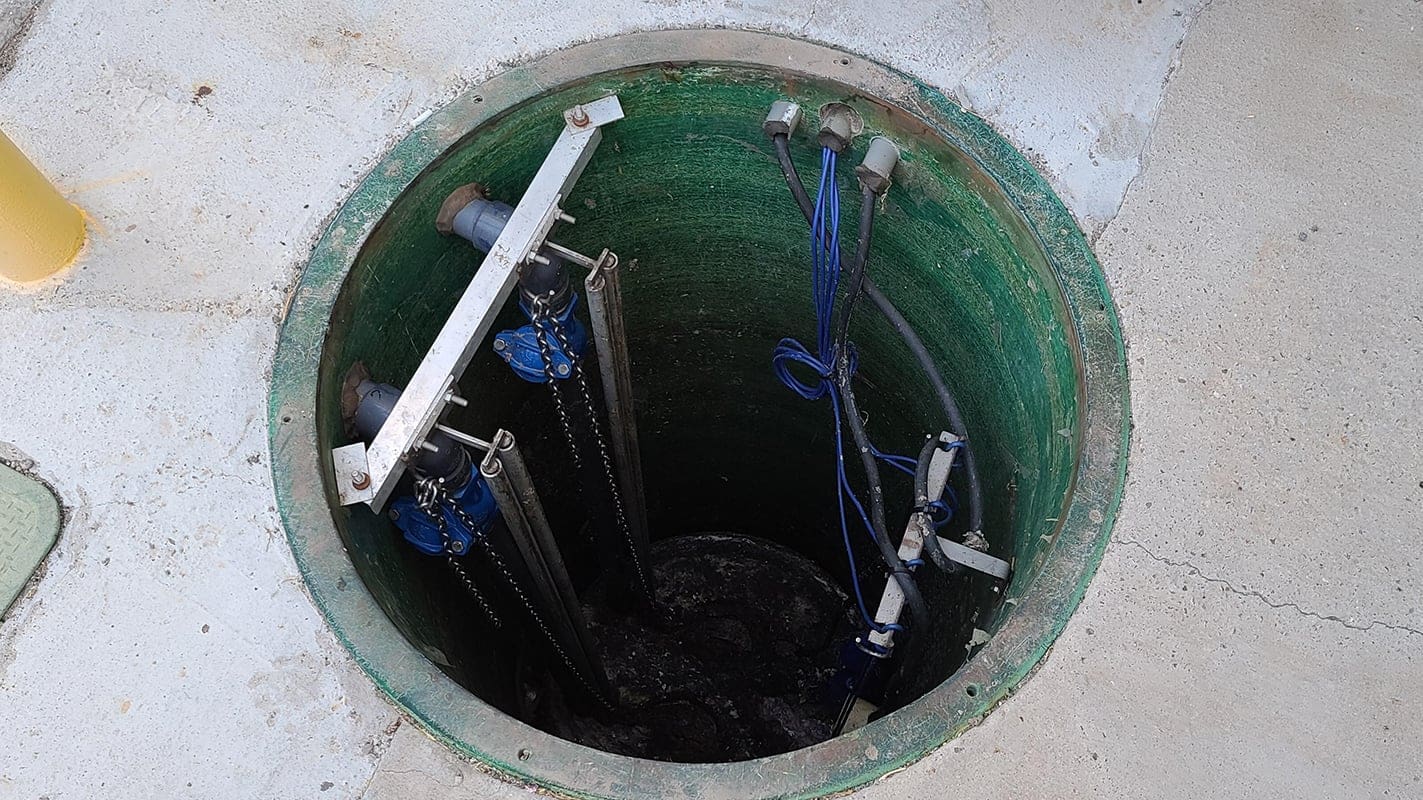
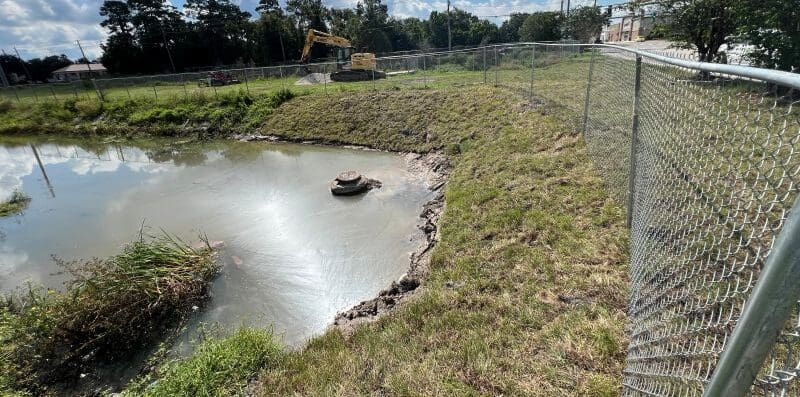
- Control stormwater by gathering runoff in wet ponds, dry basins, or multi-chamber catch basins and slowly releasing it to receiving waters or drainage systems
- Can be designed to both control stormwater volume and settle out particulates for pollutant removal
Vegetative
- Landscaping features that, with optimal design and good soil conditions, remove pollutants and facilitate percolation of runoff
- Maintain natural site hydrology, promote healthier habitats, and increase aesthetic appeal
- Examples: grassy swales, filter strips, artificial wetlands, and rain gardens
View State Page
Frequently Asked Questions
How does Ann Arbor calculate a property's stormwater bill?
The city bills based on impervious surface area, meaning hard surfaces like roofs, pavement, sidewalks, patios, and gravel or crushed stone that don’t absorb water. A computer analysis of infrared aerial photographs distinguishes impervious areas from absorbent ones like lawns and gardens, then assigns each property into one of several billing tiers so properties with more impervious area pay more, rather than everyone paying a flat fee.
Can a commercial property in Ann Arbor reduce its stormwater bill?
Yes. The city offers commercial stormwater credits separate from its residential credit program. Property owners can review their stormwater assessment online and submit an appeal if they believe the impervious area calculation is inaccurate.
What long-term maintenance plan does Ann Arbor require for stormwater controls?
Every site plan must include a maintenance program proposal covering all permanent soil erosion and sedimentation control measures that remain after the project is finished, including who is responsible for maintaining them. That maintenance responsibility has to become part of any future sales or exchange agreement for the property.
Which regulations does Ann Arbor follow for post-construction stormwater controls?
The city follows the rules of the Washtenaw County Water Resources Commissioner for post-construction controls, which are incorporated by reference into Chapter 63 of the city code covering stormwater management and erosion and sedimentation control. New and redevelopment projects must implement on-site controls that reduce pollutant loads in runoff.
What is Low Impact Development, and does Ann Arbor require it?
Low Impact Development is the industry standard for green infrastructure, using design techniques that infiltrate, filter, store, evaporate, and detain runoff close to where it falls rather than routing it away. The city points developers to the LID Manual for Michigan for implementing post-construction controls, with recommended practices including infiltration basins, permeable pavement, vegetated swales, filter strips, and rain gardens, chosen based on site conditions and goals like reducing runoff volume and improving water quality.
The information on this page is provided for general informational purposes only and is not legal advice. Regulations change frequently — AQUALIS makes no warranty as to the accuracy or completeness of this content, and any reliance on it is at your own risk. Consult a qualified professional or your local regulatory authority to confirm requirements applicable to your specific property.